Denmark in the Baltic

Bornholm

Granite cliffs, sandy beaches, smokehouse towns and circular churches give this Baltic island a landscape unlike mainland Denmark.

Granite coastRound churchesFishing towns

Location
Baltic Sea, Denmark
Best window
May-Sep
Suggested stay
1-2 days
Go for
Baltic cycling and coast
The reason to go

Hammershus and the north coast

Granite cliffs and castle ruins overlook the Baltic from the island’s rugged northern edge.

Plan the least frequent boat, ferry or exposed coastal section first. Use early or late light and keep a weather alternative during May-Sep.

Look a little closer

Worth discovering

The details that make Bornholm different.

Destination view
01

Hammershus and the north coast

Granite cliffs and castle ruins overlook the Baltic from the island’s rugged northern edge.

Destination view
02

Round churches

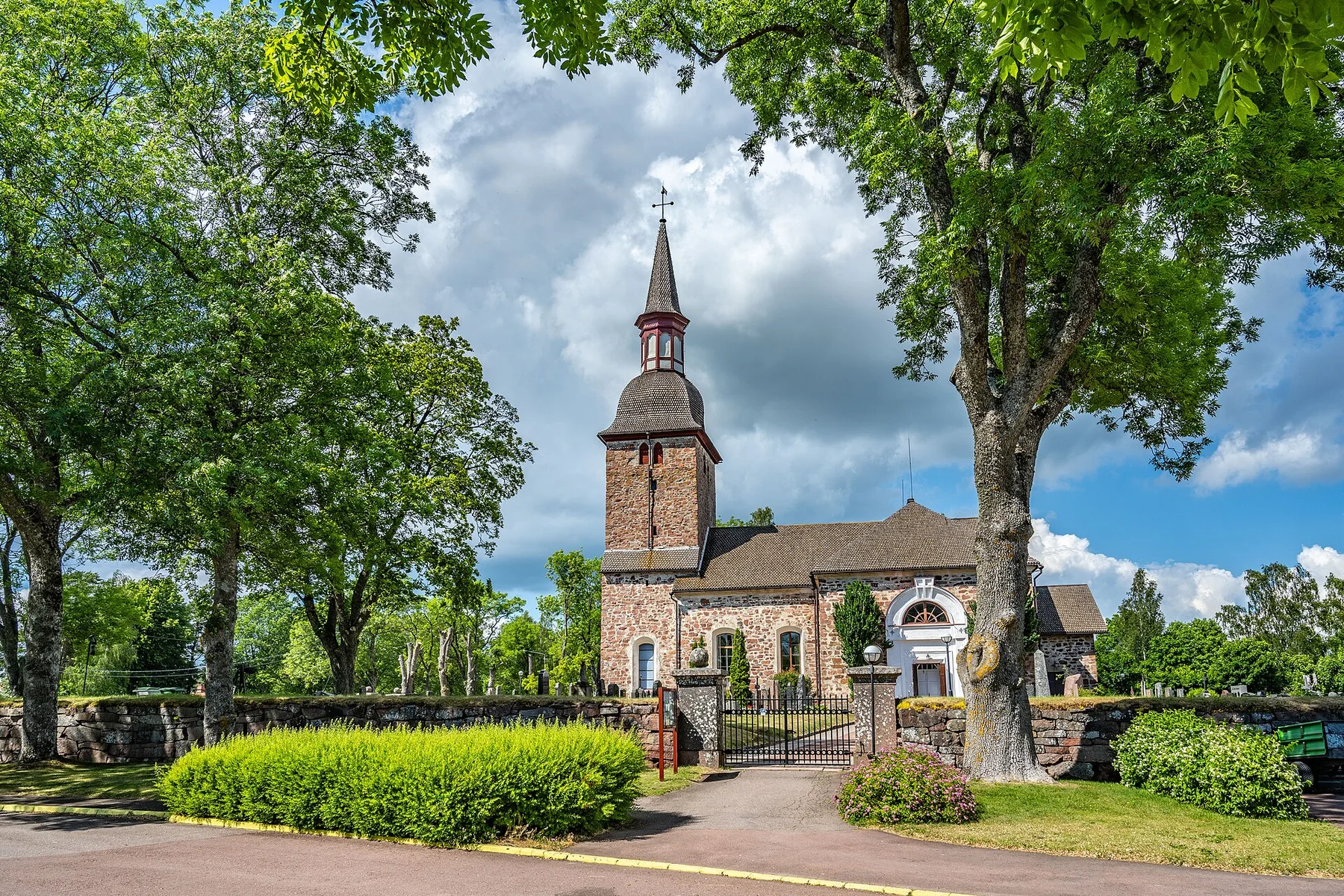
Distinctive medieval churches connect several inland villages to Bornholm’s long regional history.

Photo journal
03

Dueodde

Fine sand and low dunes create a southern coast very different from the granite north.

Photo journal

A closer look at Bornholm

5 photographs
Beyond the surface

The landscape memory of Bornholm

Granite cliffs, sandy beaches, smokehouse towns and circular churches give this Baltic island a landscape unlike mainland Denmark. The deeper story links its visible features with the people and changes behind them.

Bornholm sits far east of the Danish mainland in the Baltic Sea, combining northern granite terrain with a softer southern coast. Distances are small enough for cycling, but the island changes character repeatedly between rocky headlands, farmland, forest and long sand beaches.

Visitors often encounter Bornholm through the idea of “Hammershus and the north coast”, but the destination is more than that single scene. Its landscape carries evidence of work, movement, adaptation and environmental change. Granite cliffs and castle ruins overlook the Baltic from the island’s rugged northern edge.

Continue to practical planning
Ols Kirche, Bornholm (2012-07-04), by Klugschnacker in Wikipedia (15)See the complete photo journal
Physical setting

How the landscape was assembled

The first layer of Bornholm is geological and ecological rather than scenic. The north is defined by exposed granite and steep coastal sections, while the south around Dueodde opens into low dunes and pale sand. Inland forest and agricultural land create a calmer central zone between the contrasting coasts.

Because land is limited, every ridge, bay and passage acquires practical importance. At Bornholm, “Hammershus and the north coast” is where that compressed geography becomes easiest to read. Granite cliffs and castle ruins overlook the Baltic from the island’s rugged northern edge.

Cultural landscape

The human landscape behind the scenery

At Bornholm, daily life gives the terrain a historical meaning that a viewpoint alone cannot provide. Fishing ports, smokehouses, craft workshops and medieval round churches give Bornholm a cultural identity that is strongly tied to its island position. Small towns such as Gudhjem and Svaneke retain dense historic cores close to working harbours.

At Bornholm, the feature described as “Round churches” offers a second line of evidence. Distinctive medieval churches connect several inland villages to Bornholm’s long regional history. Within Bornholm, it shows how local knowledge and practical use became embedded in the landscape.

Change

The modern turning point

The decisive modern change at Bornholm was access. At Bornholm, transport and visitor infrastructure made the landscape easier to reach while concentrating pressure at the few points where roads, boats or trails enter it. At Bornholm, that transition remains visible in the contrast between older working features and visitor infrastructure.

On the ground

The small features that reveal the larger pattern

At Bornholm, the feature “Hammershus and the north coast” is one of the most useful pieces of visible evidence. Granite cliffs and castle ruins overlook the Baltic from the island’s rugged northern edge. At Bornholm, the detail links local scale with the wider regional pattern.

At Bornholm, the feature “Round churches” is best understood as part of the surrounding system rather than an isolated stop. Distinctive medieval churches connect several inland villages to Bornholm’s long regional history. At Bornholm, it gives a concrete reference point for reading change rather than merely collecting viewpoints.

Start with the feature “Dueodde”, because it condenses a much larger part of the story of Bornholm. Fine sand and low dunes create a southern coast very different from the granite north. Within Bornholm, it is both an attraction and a record of the processes described above.

Present day

The place within its wider region

At Bornholm, season is part of the landscape history, not merely a planning detail. Late spring begins the strongest cycling and walking period, summer brings the warmest Baltic conditions, and September offers quieter roads with mild sea temperatures. Winter is more exposed and many seasonal services reduce hours.

For Bornholm, the main seasonal constraint is: the strongest planning window is May-Sep. For Bornholm, outside it, check weather, daylight, road or ferry schedules and seasonal closures before committing to a fixed route.

For Bornholm, one practical detail matters: wind, sea state and tide can matter as much as distance. For Bornholm, check conditions before boat trips, exposed cliffs or tidal sections.

Placed within its wider geography, Bornholm is not an isolated exception. Bornholm’s position between Denmark, Sweden and Poland gives the island a wider Baltic context. For Bornholm, its geology, settlement and maritime routes all differ noticeably from the lowland landscapes normally associated with Denmark.
Travel notes

Plan your visit

Time needed
1-2 days
Getting around
Car or local transport, plus coastal walks and occasional boat links
Effort
Moderate
Plan first
Opening days and any limited-entry sites
Time of day
Morning for movement; late light for viewpoints
Best window
May-Sep
Traveller stories

Stories from people who have been here.

First-hand moments, practical notes and overlooked details from Bornholm.

Loading traveller stories…

Browse all traveller stories ↗

Keep exploring

Where next?

All place stories