Seven Bulls
Layered red sandstone ridges form the recognisable entrance to the valley.
Start early and make this the first exposed stop of the day. Keep a lower route ready if cloud, heat, wind or trail conditions change during May-Oct.
Red sandstone formations open into a forested Tien Shan valley of rivers, pastures and seasonal mountain life south of Issyk-Kul.
Layered red sandstone ridges form the recognisable entrance to the valley.
Start early and make this the first exposed stop of the day. Keep a lower route ready if cloud, heat, wind or trail conditions change during May-Oct.
The details that make Jeti-Oguz different.
Layered red sandstone ridges form the recognisable entrance to the valley.
A narrow red-rock formation adds a smaller, more enclosed contrast to the main ridge.
Forest, river and seasonal camps extend the place into a much larger Tien Shan landscape.
Red sandstone formations open into a forested Tien Shan valley of rivers, pastures and seasonal mountain life south of Issyk-Kul. The deeper story links its visible features with the people and changes behind them.
Jeti-Oguz is known for a line of red sandstone ridges often translated as the Seven Bulls, but the landscape continues far beyond the roadside formations. A broad valley leads south into the Terskey Ala-Too range, passing river meadows, conifer forest, summer pastures and high mountain walls.
Many visits to Jeti-Oguz begin with the experience described as “Seven Bulls”. The more revealing question is why it exists here, how people used the surrounding ground and what remains visible from earlier phases. Layered red sandstone ridges form the recognisable entrance to the valley.
Continue to practical planningAt Jeti-Oguz, the form of the landscape explains many of the choices that came later. The contrast between red sedimentary rock and the cooler alpine valley is immediate. Erosion has shaped cliffs and narrow ravines near the entrance, while farther south glacial processes dominate the upper terrain. Water from the mountains supports pasture and forest along the valley floor.
The skyline is only the upper edge of a larger system. At Jeti-Oguz, “Seven Bulls” connects the high ground with valleys, settlement and the movement of water below. Layered red sandstone ridges form the recognisable entrance to the valley.
The cultural layer of Jeti-Oguz is easiest to read in homes, fields, paths and local institutions. Yurts, livestock and seasonal movement remain visible in the upper valley, linking the landscape with Kyrgyz pastoral traditions. The nearby settlement and sanatorium add a Soviet-era layer, while the formations themselves are embedded in local stories and popular imagery.
At Jeti-Oguz, the feature described as “Broken Heart gorge” offers a second line of evidence. A narrow red-rock formation adds a smaller, more enclosed contrast to the main ridge. Within Jeti-Oguz, it shows how local knowledge and practical use became embedded in the landscape.
The decisive modern change at Jeti-Oguz was access. At Jeti-Oguz, transport and visitor infrastructure made the landscape easier to reach while concentrating pressure at the few points where roads, boats or trails enter it. Jeti-Oguz should therefore be read as an evolving cultural landscape rather than a timeless scene.
Look closely at the feature “Seven Bulls” in Jeti-Oguz; it carries information that a panoramic view can miss. Layered red sandstone ridges form the recognisable entrance to the valley. Within Jeti-Oguz, the feature explains why this destination differs from nearby landscapes.
At Jeti-Oguz, the significance of the feature “Broken Heart gorge” goes beyond its visual impact. A narrow red-rock formation adds a smaller, more enclosed contrast to the main ridge. For Jeti-Oguz, that relationship is more informative than treating the feature only as a photograph or checklist item.
Look closely at the feature “Upper valley pastures” in Jeti-Oguz; it carries information that a panoramic view can miss. Forest, river and seasonal camps extend the place into a much larger Tien Shan landscape. At Jeti-Oguz, the detail links local scale with the wider regional pattern.
At Jeti-Oguz, light, water and temperature reveal different structures at different times of year. Late spring and summer bring active pasture and access toward higher valleys. Early autumn often has clear mountain light and cooler nights. Winter snow transforms the upper route and concentrates movement around the lower valley and Issyk-Kul basin.
For Jeti-Oguz, the main seasonal constraint is: the strongest planning window is May-Oct. For Jeti-Oguz, outside it, check weather, daylight, road or ferry schedules and seasonal closures before committing to a fixed route.
For Jeti-Oguz, one practical detail matters: cloud, wind and trail conditions can change quickly. For Jeti-Oguz, put the highest or most exposed stop first and keep a lower-level alternative.
Placed within its wider geography, Jeti-Oguz is not an isolated exception. Jeti-Oguz is one of several valleys descending from the Terskey Ala-Too toward Lake Issyk-Kul. For Jeti-Oguz, karakol, Barskoon and neighbouring gorges reveal a continuous mountain system with different geological forms and patterns of seasonal use.
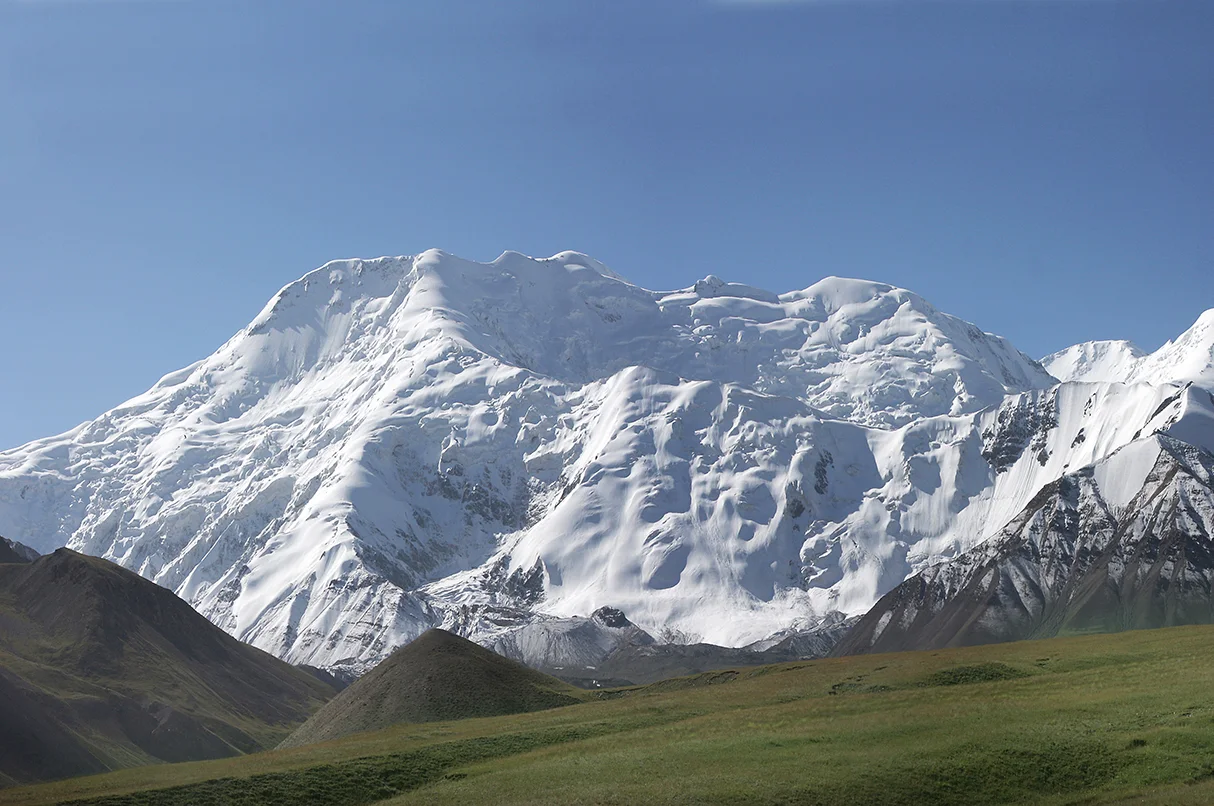
A broad high valley separates the Alay and Trans-Alay ranges, opening long views toward the Pamirs.
Explore this place
A high forested valley of hot springs, alpine pasture and glacier-fed water lies above the eastern shore of Issyk-Kul.
Explore this place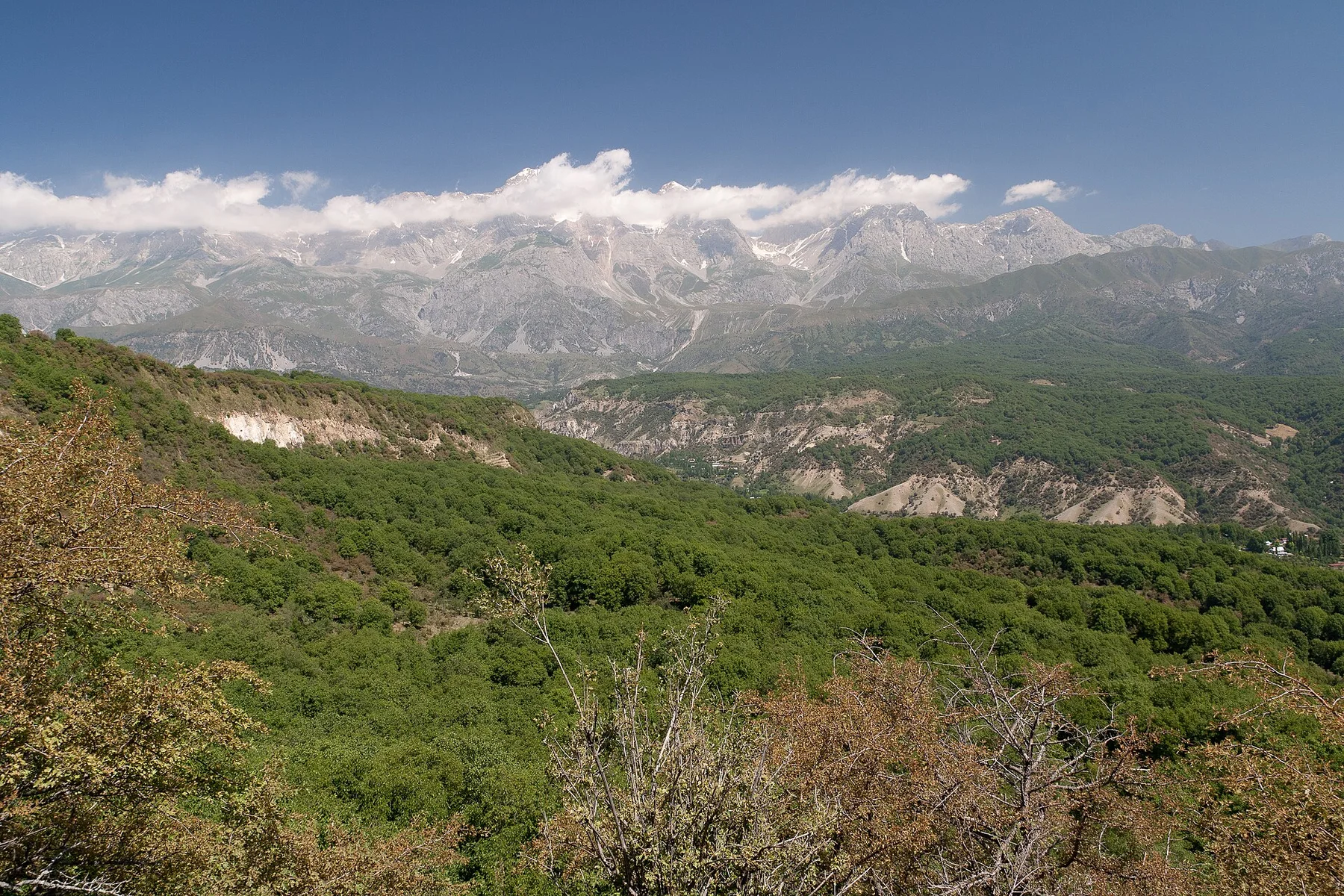
Walnut forest, waterfalls and a large village occupy the foothills of the Fergana Range.
Explore this place