Tasmanian island reserve

Maria Island

Fossil cliffs, wildlife and convict history occupy a car-free island off Tasmania’s east coast.

Fossil cliffsWildlifeConvict heritage

Location
Tasmania, Australia
Best window
Oct-Apr
Suggested stay
2-4 days
Go for
Island walking and history
The reason to go

A rare island where history and wildlife share the same paths

Iron-rich patterns create colourful surfaces at the tidal edge.

Plan the least frequent boat, ferry or exposed coastal section first. Use early or late light and keep a weather alternative during Oct-Apr.

Stay long enough to connect Maria Island's headline landscape with one quieter local route rather than treating it as a single viewpoint.

Look a little closer

Worth discovering

The details that make Maria Island different.

Photo journal
01

Painted Cliffs

Iron-rich patterns create colourful surfaces at the tidal edge.

Photo journal
02

Darlington

A compact historic settlement preserves layers of convict and industrial use.

Photo journal
03

Bishop and Clerk

A high ridge walk opens views across the Mercury Passage.

Photo journal

A closer look at Maria Island

12 photographs
The full story

Maria Island beyond the first view

Fossil cliffs, wildlife and convict history occupy a car-free island off Tasmania’s east coast. The view is only the surface of a longer story of formation, use and change.

Maria Island occupies an island reached by ferry from Triabunna. Fossil cliffs, wildlife and convict history occupy a car-free island off Tasmania’s east coast. Maria Island sits between the Tasman Peninsula and Freycinet coast, making it part of a wider sequence of eastern Tasmanian geology and history.

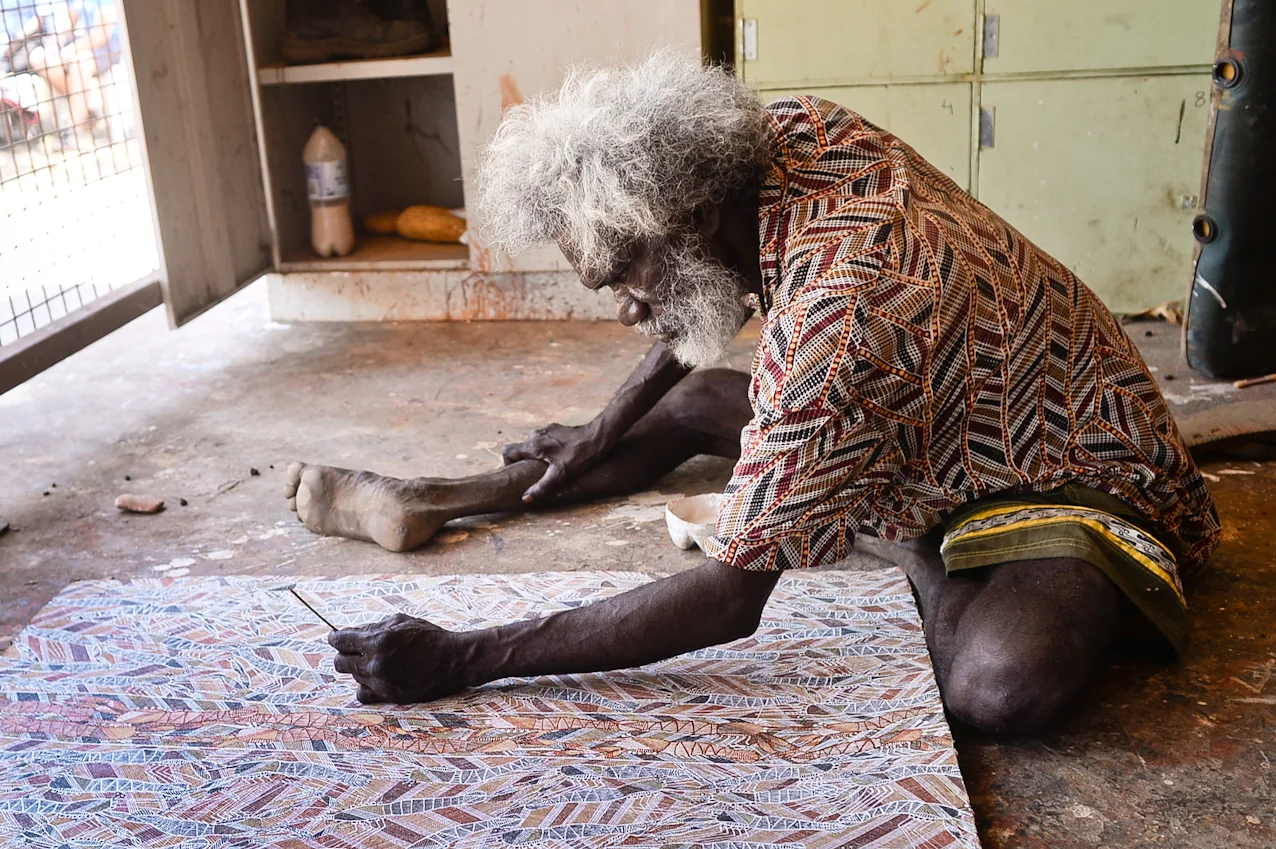
The strongest visual shorthand for Maria Island is the experience described as “Painted Cliffs”. Behind it lies a more complex relationship between physical processes, settlement and the modern idea of the place as a destination. Iron-rich patterns create colourful surfaces at the tidal edge.

Continue to practical planning
Maria Island CliffSee the complete photo journal
Landform

The landform before the landmark

The first layer of Maria Island is geological and ecological rather than scenic. Two mountainous sections are joined by a narrow isthmus, with beaches, grassland, eucalypt forest and patterned coastal cliffs.

On an island, coast, altitude and exposure work together. At Maria Island, the feature described as “Painted Cliffs” shows how a short distance can separate sheltered ground from a very different ocean-facing environment. Iron-rich patterns create colourful surfaces at the tidal edge.

Human history

Routes, livelihoods and belonging

At Maria Island, daily life gives the terrain a historical meaning that a viewpoint alone cannot provide. Darlington’s convict buildings, former industry and later farming history sit within an island now known for abundant wildlife.

At Maria Island, the feature described as “Darlington” offers a second line of evidence. A compact historic settlement preserves layers of convict and industrial use. Within Maria Island, it shows how local knowledge and practical use became embedded in the landscape.

Modern history

From local landscape to protected destination

The decisive modern change at Maria Island was access. At Maria Island, transport and visitor infrastructure made the landscape easier to reach while concentrating pressure at the few points where roads, boats or trails enter it. At Maria Island, the current visitor experience is the newest layer rather than the whole history.

Field notes

The evidence still visible on the ground

At Maria Island, the feature “Painted Cliffs” is one of the most useful pieces of visible evidence. Iron-rich patterns create colourful surfaces at the tidal edge. Within Maria Island, it is both an attraction and a record of the processes described above.

At Maria Island, the significance of the feature “Darlington” goes beyond its visual impact. A compact historic settlement preserves layers of convict and industrial use. Its position and condition at Maria Island connect physical history with the way people use the place now.

Look closely at the feature “Bishop and Clerk” in Maria Island; it carries information that a panoramic view can miss. A high ridge walk opens views across the Mercury Passage. Its position and condition at Maria Island connect physical history with the way people use the place now.

Living landscape

Why the landscape still feels dynamic

At Maria Island, light, water and temperature reveal different structures at different times of year. Spring through autumn offers the broadest walking conditions; wind and ferry disruption remain possible year-round.

For Maria Island, the main seasonal constraint is: the strongest planning window is Oct-Apr. For Maria Island, outside it, check weather, daylight, road or ferry schedules and seasonal closures before committing to a fixed route.

For Maria Island, one practical detail matters: ferries, tunnels and weather can change the order of the day. For Maria Island, build the route around the least frequent connection, not the closest viewpoint.

Placed within its wider geography, Maria Island is not an isolated exception. Maria Island sits between the Tasman Peninsula and Freycinet coast, making it part of a wider sequence of eastern Tasmanian geology and history.
In context

Get to know the place

The landscape

Dry eucalyptus forest, grassland, dolerite mountains, sheltered bays and exposed fossil-bearing coast fit into a compact east Tasmanian island.

People and place

Palawa connections precede the island's convict, agricultural and industrial phases; interpretation benefits from holding these histories together rather than isolating one period.

Seasonal character

Warmer months suit cycling and camping, but weather remains changeable. Winter is quieter and cooler with shorter ferry-day windows.

Beyond the main view

The Tasman Peninsula and Freycinet coast extend the journey through dolerite cliffs, beaches and further layers of Tasmanian history.

Travel notes

Plan your visit

Time needed
2-4 days
Getting around
Ferry, walking and bicycle
Effort
Moderate
Plan first
Main transport and accommodation
Time of day
Early and late wildlife hours
Best window
Oct-Apr
Traveller stories

Stories from people who have been here.

First-hand moments, practical notes and overlooked details from Maria Island.

Loading traveller stories…

Browse all traveller stories ↗

Keep exploring

Where next?

All place stories