Northern Thailand at a slower scale

Nan Province

Forested mountains, river valleys, Tai Lue heritage and a compact historic town define Thailand's quieter northeastern north.

Tai Lue cultureMountain valleysHistoric Nan

Location
Northern Thailand, Thailand
Best window
Nov-Feb, Jun-Jul
Suggested stay
3-5 days
Go for
Mountain roads and local culture
The reason to go

Nan old town

Temples, murals and low-rise streets preserve a distinctive northern urban character.

Start early and make this the first exposed stop of the day. Keep a lower route ready if cloud, heat, wind or trail conditions change during Nov-Feb, Jun-Jul.

Look a little closer

Worth discovering

The details that make Nan Province different.

Destination view
01

Nan old town

Temples, murals and low-rise streets preserve a distinctive northern urban character.

Destination view
02

Border mountains

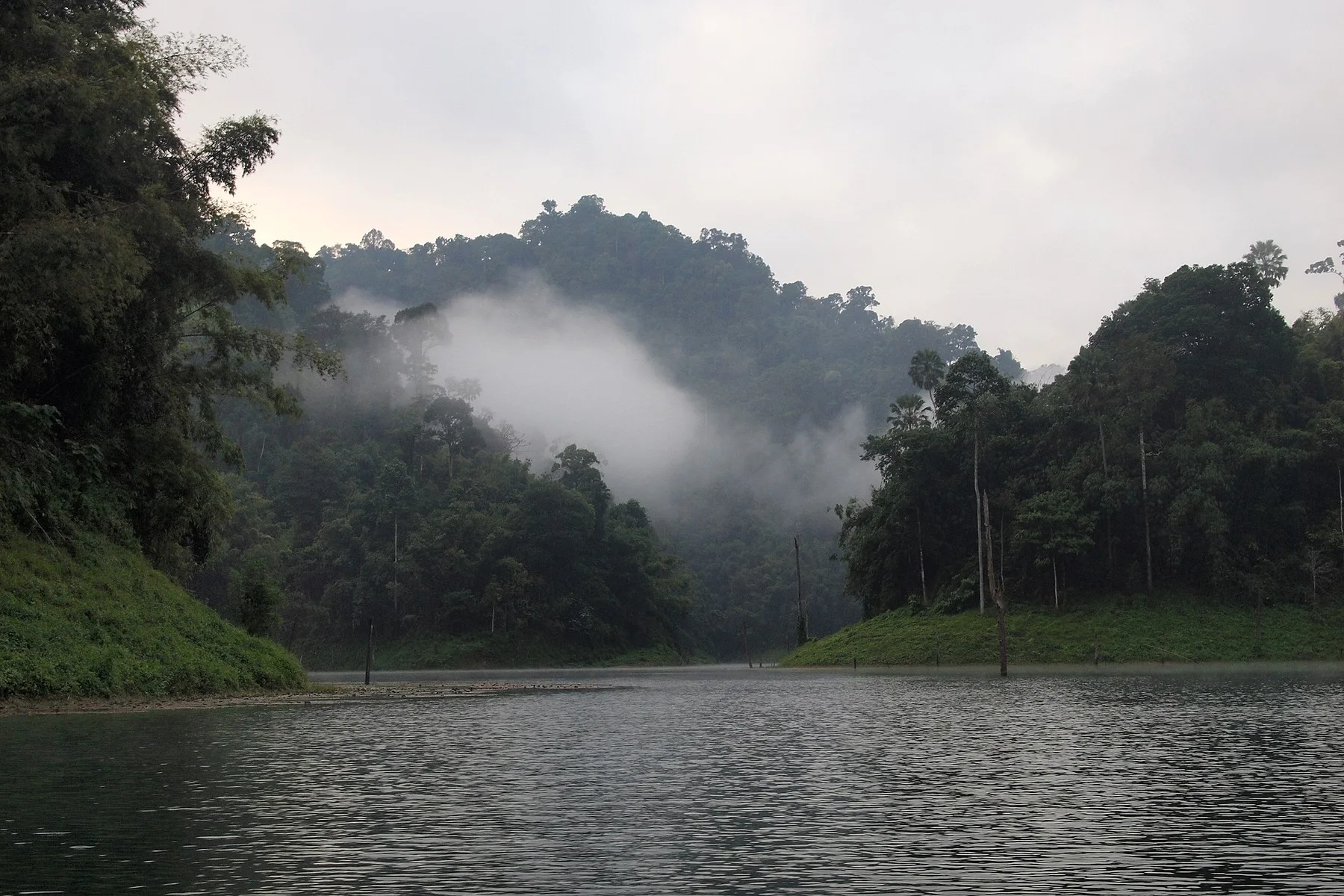
Winding roads open across forested ridges and valleys toward Laos.

Destination view
03

Tai Lue heritage

Textiles, architecture and community traditions give the province a strong cultural coherence.

Photo journal

A closer look at Nan Province

12 photographs
Landscape and history

Nan Province: the story behind the landscape

Forested mountains, river valleys, Tai Lue heritage and a compact historic town define Thailand's quieter northeastern north. The deeper story links its visible features with the people and changes behind them.

Nan Province lies along Thailand's mountainous border with Laos, removed from the country's busiest northern tourism circuits. The provincial capital preserves temples and a human-scaled historic centre, while roads extend into forested valleys, agricultural basins and upland communities. The region rewards attention to cultural detail as much as scenic movement.

Many visits to Nan Province begin with the experience described as “Nan old town”. The more revealing question is why it exists here, how people used the surrounding ground and what remains visible from earlier phases. Temples, murals and low-rise streets preserve a distinctive northern urban character.

Continue to practical planning
Nan Province — view 4See the complete photo journal
Landform

The forces behind the first impression

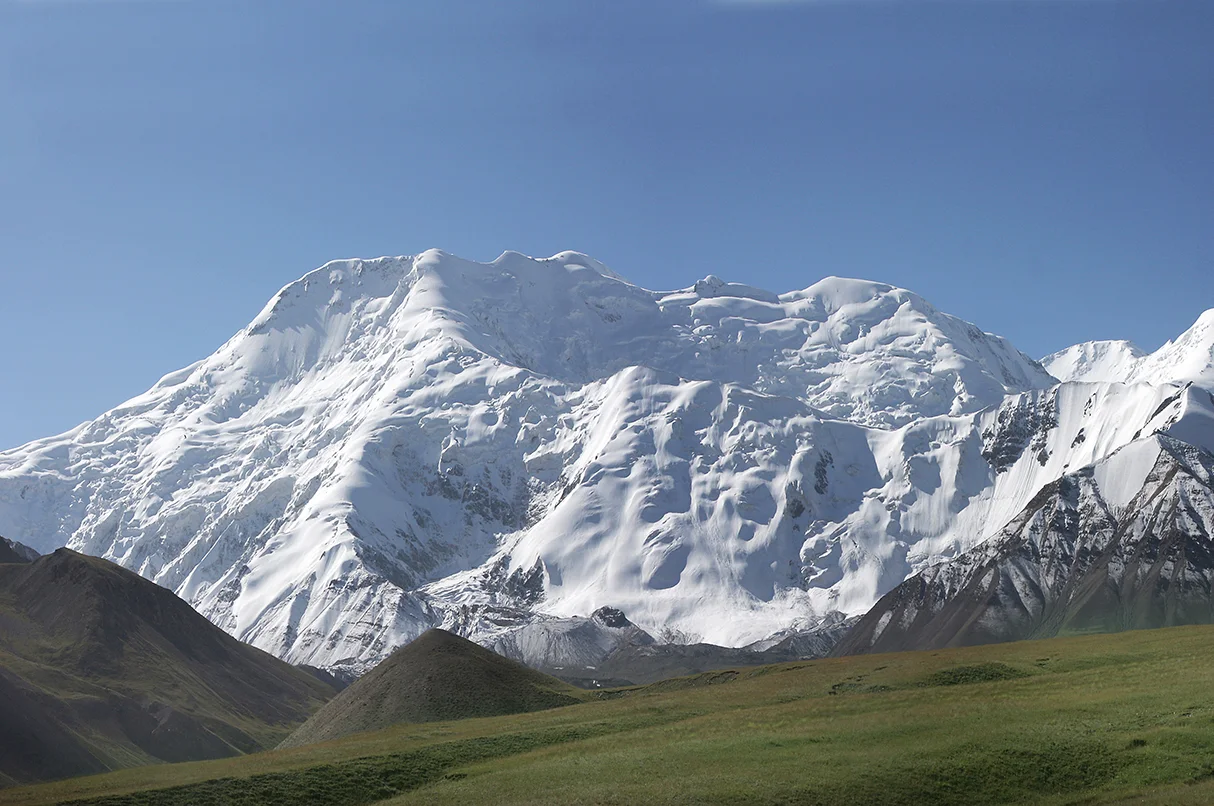
At Nan Province, the physical story begins with the structure of the ground. Mountain chains enclose narrow valleys used for rice, fruit and settlement. Forest covers much of the higher ground, with viewpoints and winding roads revealing the layered relief toward the Lao border. Seasonal rivers and cultivated slopes show a landscape continually negotiated between conservation, farming and changing land use.

Built remains and terrain should be at Nan Province, considered together. At Nan Province, “Nan old town” shows how the setting influenced location, materials and later survival. Temples, murals and low-rise streets preserve a distinctive northern urban character.

Cultural landscape

Settlement, movement and local knowledge

Nan Province has been shaped as much by livelihoods and movement as by natural processes. Tai Lue traditions, mural painting, textiles and temple architecture give Nan a distinctive regional identity. Rural communities include a range of ethnic groups with different languages and agricultural practices. The city of Nan acts as a cultural anchor, but the province's character emerges most clearly through the relationship between town, village and mountain road.

A close look at “Border mountains” makes the cultural layer of Nan Province more concrete. Winding roads open across forested ridges and valleys toward Laos. At Nan Province, the surviving form links present-day identity with earlier work and settlement.

Change

A landscape reorganised

Formal protection changed how Nan Province was described and managed. At Nan Province, new boundaries, visitor rules and conservation priorities created a public identity that still has to coexist with settlements, customary use and economic pressures. At Nan Province, the result is not a clean break with the past because earlier routes and habits continue to organise the present landscape.

On the ground

Three details that explain the whole place

At Nan Province, the feature “Nan old town” provides a precise clue to how the landscape works. Temples, murals and low-rise streets preserve a distinctive northern urban character. For Nan Province, that relationship is more informative than treating the feature only as a photograph or checklist item.

Look closely at the feature “Border mountains” in Nan Province; it carries information that a panoramic view can miss. Winding roads open across forested ridges and valleys toward Laos. Its position and condition at Nan Province connect physical history with the way people use the place now.

At Nan Province, the feature “Tai Lue heritage” is best understood as part of the surrounding system rather than an isolated stop. Textiles, architecture and community traditions give the province a strong cultural coherence. At Nan Province, the detail links local scale with the wider regional pattern.

Present day

A living landscape, not a frozen scene

At Nan Province, season is part of the landscape history, not merely a planning detail. The cool dry season from November to February offers the clearest travel conditions and comfortable temperatures. The early rainy season can bring vivid green landscapes before heavier rain affects some mountain roads. Agricultural cycles, local festivals and haze conditions all influence how the province feels at different times of year.

For Nan Province, the main seasonal constraint is: the strongest planning window is Nov-Feb, Jun-Jul. For Nan Province, outside it, check weather, daylight, road or ferry schedules and seasonal closures before committing to a fixed route.

For Nan Province, one practical detail matters: cloud, wind and trail conditions can change quickly. For Nan Province, put the highest or most exposed stop first and keep a lower-level alternative.

Placed within its wider geography, Nan Province is not an isolated exception. For Nan Province, the wider context shows that, nan connects with Phrae, the Mekong-oriented provinces to the east and northern Laos across the mountains. For Nan Province, it provides a useful counterpoint to Chiang Mai and Chiang Rai, showing a northern Thai landscape where regional culture and rural geography remain less compressed by large visitor flows.
Travel notes

Plan your visit

Time needed
3-5 days
Getting around
Car to access points, then walking or hiking
Effort
Moderate
Plan first
Access conditions, permits or a local guide
Time of day
Start early for clearer conditions and more time
Best window
Nov-Feb, Jun-Jul
Traveller stories

Stories from people who have been here.

First-hand moments, practical notes and overlooked details from Nan Province.

Loading traveller stories…

Browse all traveller stories ↗

Keep exploring

Where next?

All place stories