Living woven bridge

Q’eswachaka Rope Bridge

A handwoven ichu-grass bridge crosses the Apurimac River and is rebuilt through an annual community tradition.

Living woven bridgeDramatic routeViewpointsBraided grass cablesApurimac gorge

Location
Canas, Cusco region, Peru
Best window
May-Sep
Suggested stay
Half day
Go for
Community heritage crossing
The reason to go

Cross the handwoven bridge above the Apurimac

The bridge is not a reconstruction behind glass: it is a working expression of communal knowledge, renewed with local fibre and collective labour.

Visit with respect for community rules and avoid treating the bridge as an adventure prop detached from its cultural meaning.

Look a little closer

Worth discovering

The details that make Q’eswachaka Rope Bridge different.

Destination view
01

Braided grass cables

Thick ichu ropes form the load-bearing structure of the bridge.

Destination view
02

Apurimac gorge

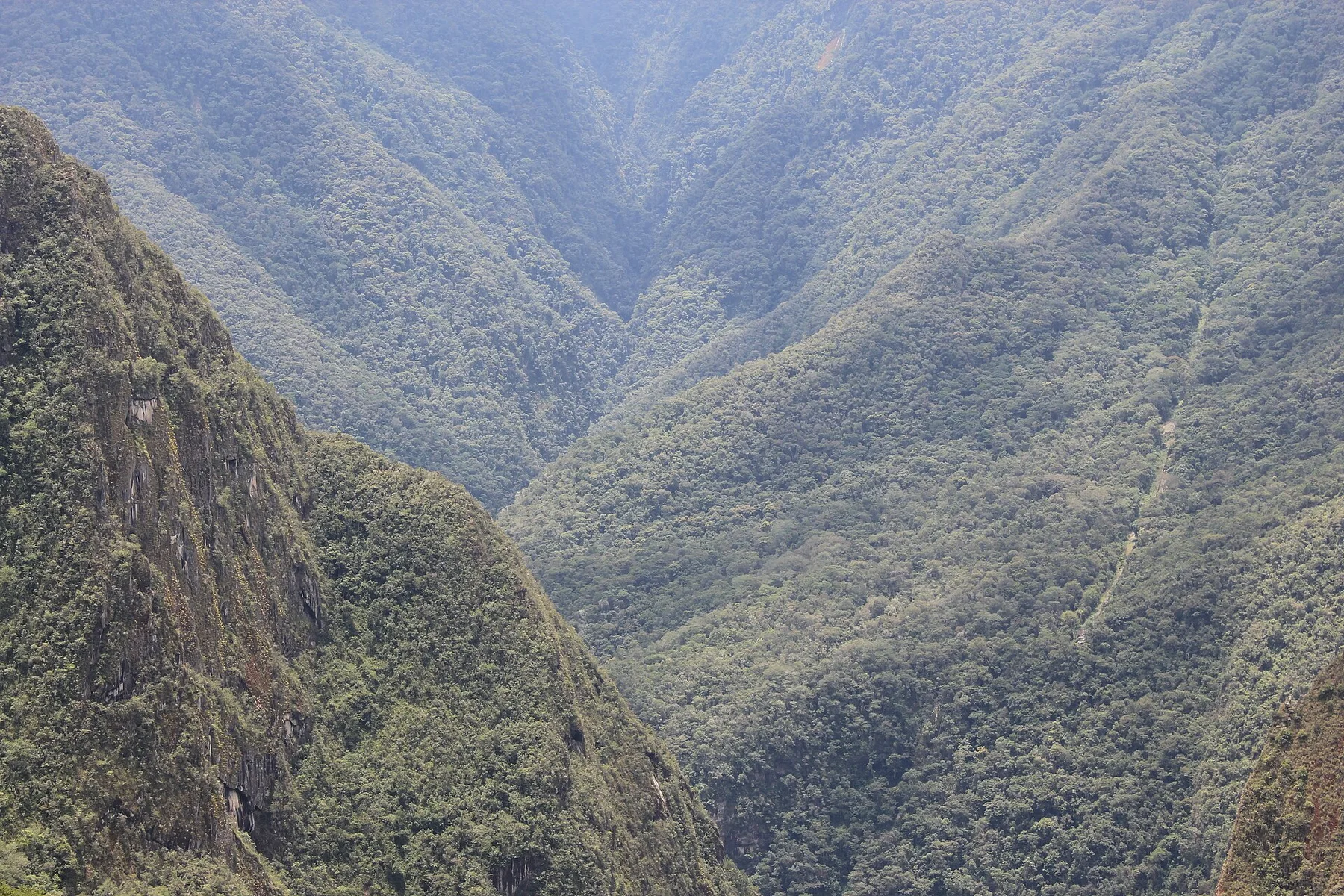
The narrow crossing sits above a fast river between dry highland slopes.

Destination view
03

Annual renewal tradition

Communities replace the bridge through a coordinated multi-day process.

Photo journal

A closer look at Q’eswachaka Rope Bridge

3 photographs
The full story

The landscape memory of Q’eswachaka Rope Bridge

A handwoven ichu-grass bridge crosses the Apurimac River and is rebuilt through an annual community tradition. Its character becomes clearer when geology, settlement and modern protection are considered together.

Q’eswachaka Rope Bridge is centred on Canas, Cusco region, where a handwoven ichu-grass bridge crosses the Apurimac River and is rebuilt through an annual community tradition. The strongest reason to make the journey is to cross the handwoven bridge above the Apurimac.

The familiar invitation at Q’eswachaka Rope Bridge is “Cross the handwoven bridge above the Apurimac”, yet that image makes more sense when it is connected to the landform, the local economy and the changes that determined access. The bridge is not a reconstruction behind glass: it is a working expression of communal knowledge, renewed with local fibre and collective labour.

Continue to practical planning
Q’eswachaka Rope Bridge — view 3See the complete photo journal
Physical setting

How the landscape was assembled

At Q’eswachaka Rope Bridge, the physical story begins with the structure of the ground. Changes in height, rock, water and exposure make the sequence important: the approach, the most engineered or natural passage and the final overlook each reveal a different part of Canas, Cusco region.

A route records decisions about gradient, exposure and access. At Q’eswachaka Rope Bridge, “Braided grass cables” shows why this line was chosen and what kind of movement it was designed to permit. Thick ichu ropes form the load-bearing structure of the bridge.

Cultural landscape

How people learned to live here

Q'eswachaka is part of an Andean bridge-building tradition associated with the Inca road system. The span is made from braided ichu grass and is not preserved as a static ancient object; local Quechua communities rebuild it collectively each year.

Families prepare fibre, twist ropes and assemble the deck according to inherited roles and ritual practice. The old bridge is cut away only after the new one can carry the crossing, making renewal rather than material survival the core of its authenticity.

Change

From local landscape to protected destination

Road bridges reduced the practical necessity of the grass span, but communal reconstruction preserved knowledge, identity and cooperation. Recognition as intangible heritage strengthened its public profile without changing the annual rebuilding principle.

Visible evidence

Three details that explain the whole place

At Q’eswachaka Rope Bridge, the feature “Braided grass cables” provides a precise clue to how the landscape works. Thick ichu ropes form the load-bearing structure of the bridge. Within Q’eswachaka Rope Bridge, the feature explains why this destination differs from nearby landscapes.

Look closely at the feature “Apurimac gorge” in Q’eswachaka Rope Bridge; it carries information that a panoramic view can miss. The narrow crossing sits above a fast river between dry highland slopes. Within Q’eswachaka Rope Bridge, it is both an attraction and a record of the processes described above.

At Q’eswachaka Rope Bridge, the feature “Annual renewal tradition” is one of the most useful pieces of visible evidence. Communities replace the bridge through a coordinated multi-day process. Within Q’eswachaka Rope Bridge, it is both an attraction and a record of the processes described above.

Living landscape

The current chapter

At Q’eswachaka Rope Bridge, season is part of the landscape history, not merely a planning detail. For Q’eswachaka Rope Bridge, the most reliable visiting window is May-Sep.

For Q’eswachaka Rope Bridge, one practical detail matters: access is remote and local arrangements matter. For Q’eswachaka Rope Bridge, confirm current permission and whether crossing is allowed.

For Q’eswachaka Rope Bridge, the most useful visiting period is: morning.

Placed within its wider geography, Q’eswachaka Rope Bridge is not an isolated exception. Beyond the best-known image of Q’eswachaka Rope Bridge crossing, Q’eswachaka Rope Bridge is useful because apurimac gorge and annual renewal tradition place the route inside a broader landscape story.
Chronology

Key dates

  1. Grass bridges on the road network

    Fibre suspension bridges enabled movement across deep Andean river valleys.

  2. Collective renewal

    Four Quechua communities replace the ropes and deck through coordinated work and ceremony.

  3. UNESCO intangible-heritage recognition

    The skills and rituals of annual renewal gained international recognition.

Travel notes

Plan your visit

Time needed
Half day
Getting around
Road transfer with local guide or driver
Effort
Easy to moderate; remote access
Plan first
Road condition, community protocol and timing
Time of day
Morning
Best window
May-Sep
Traveller stories

Stories from people who have been here.

First-hand moments, practical notes and overlooked details from Q’eswachaka Rope Bridge.

Loading traveller stories…

Browse all traveller stories ↗

Keep exploring

Where next?

All place stories