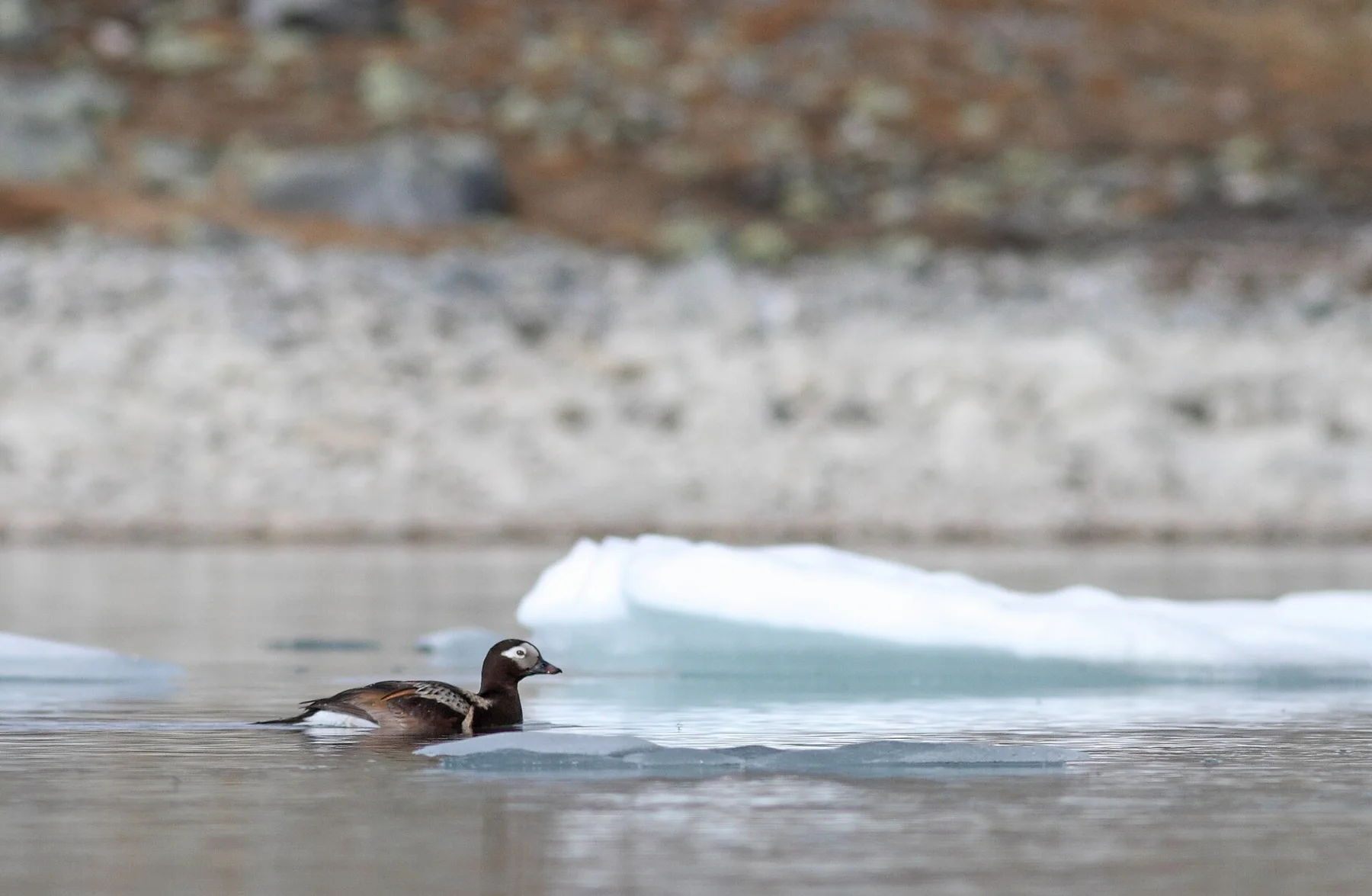
Mountain stair route

Reinebringen Stairs

A long stone staircase climbs steeply above Reine to a ridge overlooking fjords, peaks and fishing villages.

Mountain stair routeDramatic routeViewpointsStone stairwayReinefjorden panorama

Location
Lofoten Islands, Norway
Best window
Jun-Sep
Suggested stay
3-5 hours
Go for
Steep viewpoint staircase
The reason to go

Climb the Sherpa-built steps above Reine

The staircase gains height quickly and ends at a ridge where the village, Reinefjorden and surrounding mountains align in a compact panorama.

Start outside peak hours and turn back if wet rock, wind or crowding makes the upper ridge unsafe.

Look a little closer

Worth discovering

The details that make Reinebringen Stairs different.

Destination view
01

Stone stairway

Hundreds of large steps create a direct and sustained climb above the village.

Photo journal
02

Reinefjorden panorama

The ridge reveals the classic pattern of fjord arms and mountain islands.

Destination view
03

Upper ridge edge

The viewpoint is open and exposed beyond the constructed stairs.

Photo journal

A closer look at Reinebringen Stairs

9 photographs
Origins and change

Reinebringen Stairs: land, people and change

A long stone staircase climbs steeply above Reine to a ridge overlooking fjords, peaks and fishing villages. Its character becomes clearer when geology, settlement and modern protection are considered together.

Reinebringen Stairs is centred on Lofoten Islands, where a long stone staircase climbs steeply above Reine to a ridge overlooking fjords, peaks and fishing villages. The strongest reason to make the journey is to climb the Sherpa-built steps above Reine.

Visitors often encounter Reinebringen Stairs through the idea of “Climb the Sherpa-built steps above Reine”, but the destination is more than that single scene. Its landscape carries evidence of work, movement, adaptation and environmental change. The staircase gains height quickly and ends at a ridge where the village, Reinefjorden and surrounding mountains align in a compact panorama.

Continue to practical planning
Hamnøya, Toppøya, Olenilsøya and other islands of Reinefjorden in Moskenes, Nordland, Norway, 2022 June - 2See the complete photo journal
Natural history

From underlying structure to visible landscape

At Reinebringen Stairs, the physical story begins with the structure of the ground. Changes in height, rock, water and exposure make the sequence important: the approach, the most engineered or natural passage and the final overlook each reveal a different part of Lofoten Islands.

A route records decisions about gradient, exposure and access. At Reinebringen Stairs, “Stone stairway” shows why this line was chosen and what kind of movement it was designed to permit. Hundreds of large steps create a direct and sustained climb above the village.

Settlement and memory

The human landscape behind the scenery

Reinebringen's short, steep path became dangerously eroded as social media and easier travel brought large numbers of walkers above Reine. Loose ground, rockfall and rescues made the old informal route unsustainable.

From 2016, Nepalese Sherpa teams built a long stone staircase in stages, applying high-altitude trail skills to stabilise the ascent. The work continued over several seasons and fundamentally changed the route from an eroding track into engineered mountain access.

Turning point

A landscape reorganised

The staircase is a direct response to overtourism: the view did not change, but the volume and behaviour of visitors required a new physical route and clearer closure rules.

Details to read

What to read in the landscape

At Reinebringen Stairs, the feature “Stone stairway” provides a precise clue to how the landscape works. Hundreds of large steps create a direct and sustained climb above the village. At Reinebringen Stairs, it gives a concrete reference point for reading change rather than merely collecting viewpoints.

Start with the feature “Reinefjorden panorama”, because it condenses a much larger part of the story of Reinebringen Stairs. The ridge reveals the classic pattern of fjord arms and mountain islands. Within Reinebringen Stairs, the feature explains why this destination differs from nearby landscapes.

At Reinebringen Stairs, the feature “Upper ridge edge” is best understood as part of the surrounding system rather than an isolated stop. The viewpoint is open and exposed beyond the constructed stairs. Within Reinebringen Stairs, it is both an attraction and a record of the processes described above.

Living landscape

The current chapter

At Reinebringen Stairs, season is part of the landscape history, not merely a planning detail. For Reinebringen Stairs, the most reliable visiting window is Jun-Sep.

For Reinebringen Stairs, one practical detail matters: the route is steep, crowded and exposed. For Reinebringen Stairs, avoid in ice, strong wind or poor visibility.

For Reinebringen Stairs, the most useful visiting period is: very early morning or late evening.

Placed within its wider geography, Reinebringen Stairs is not an isolated exception. Beyond the best-known image of Reinebringen Stairs crossing, Reinebringen Stairs is useful because reinefjorden panorama and upper ridge edge place the route inside a broader landscape story.
Chronology

Key dates

  1. An informal trail becomes overwhelmed

    Rapidly growing use caused severe erosion and repeated safety incidents.

  2. Sherpa-built stone steps

    Specialist crews stabilised the slope in multi-year construction phases.

  3. Managed access above Reine

    Seasonal closures and ongoing maintenance protect both walkers and the slope.

Travel notes

Plan your visit

Time needed
3-5 hours
Getting around
Out-and-back stair climb
Effort
Demanding; continuous steep ascent
Plan first
Weather, parking and fitness
Time of day
Very early morning or late evening
Best window
Jun-Sep
Traveller stories

Stories from people who have been here.

First-hand moments, practical notes and overlooked details from Reinebringen Stairs.

Loading traveller stories…

Browse all traveller stories ↗

Keep exploring

Where next?

All place stories