Seasonal flood country

Soomaa

Bogs, floodplain meadows and slow rivers create a lowland landscape whose seasonal inundation is locally known as the fifth season.

Raised bogsFifth seasonForest rivers

Location
Parnu and Viljandi counties, Estonia
Best window
May-Sep
Suggested stay
1-2 days
Go for
Wetland and river exploration
The reason to go

A landscape that changes its own map

Snowmelt can spread rivers across meadows, forests and roads.

Arrange a local guide or boat where appropriate and use the first or final hours of daylight, when water, wildlife and temperature usually make the experience strongest.

Stay long enough to connect Soomaa's headline landscape with one quieter local route rather than treating it as a single viewpoint.

Look a little closer

Worth discovering

The details that make Soomaa different.

Photo journal
01

Fifth season floods

Snowmelt can spread rivers across meadows, forests and roads.

Destination view
02

Raised bog boardwalks

Open peat landscapes reveal pools, dwarf vegetation and long horizons.

Destination view
03

Dugout canoe tradition

Local boat knowledge reflects a practical relationship with seasonal water.

Photo journal

A closer look at Soomaa

15 photographs
Origins and change

Reading the layers of Soomaa

Bogs, floodplain meadows and slow rivers create a lowland landscape whose seasonal inundation is locally known as the fifth season. The deeper story links its visible features with the people and changes behind them.

Soomaa occupies a wetland mosaic in southwestern Estonia. Bogs, floodplain meadows and slow rivers create a lowland landscape whose seasonal inundation is locally known as the fifth season. Soomaa connects Estonia’s bog landscapes with the agricultural lowlands around Parnu and Viljandi, showing how protected wetlands remain embedded in inhabited countryside.

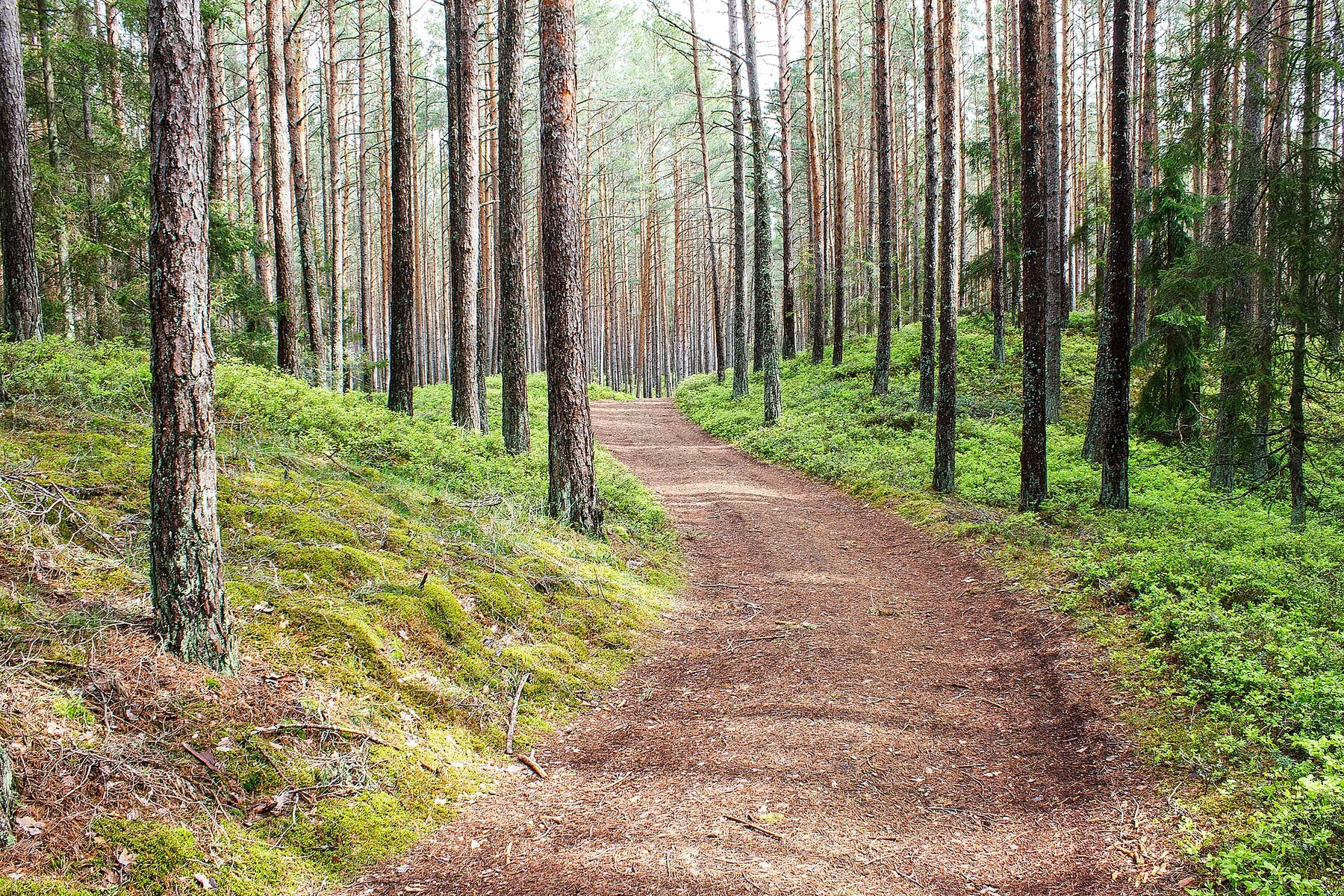
Visitors often encounter Soomaa through the idea of “Fifth season floods”, but the destination is more than that single scene. Its landscape carries evidence of work, movement, adaptation and environmental change. Snowmelt can spread rivers across meadows, forests and roads.

Continue to practical planning
Soomaa — view 4See the complete photo journal
Physical setting

How the landscape was assembled

At Soomaa, the physical story begins with the structure of the ground. Raised bogs, peat pools, alluvial forest and winding rivers occupy terrain with very little relief, making water level the dominant source of change.

Dense vegetation hides long views, so detail becomes the guide. At Soomaa, “Fifth season floods” offers a way to read water, soil and disturbance inside the forest system. Snowmelt can spread rivers across meadows, forests and roads.

Settlement and memory

How people learned to live here

At Soomaa, human history is written into settlement and land use rather than separated from the scenery. Scattered farms and villages have long adapted to flooding, using boats, raised routes and local knowledge when roads disappear beneath spring water.

At Soomaa, “Raised bog boardwalks” should not be treated as a decorative detail. Open peat landscapes reveal pools, dwarf vegetation and long horizons. The feature records how construction, movement or livelihood adapted to local conditions at Soomaa.

Modern history

The change that redefined the place

Formal protection changed how Soomaa was described and managed. At Soomaa, new boundaries, visitor rules and conservation priorities created a public identity that still has to coexist with settlements, customary use and economic pressures. At Soomaa, the consequences are clearest where traditional use, protection and tourism occupy the same ground.

Field notes

Three details that explain the whole place

At Soomaa, the significance of the feature “Fifth season floods” goes beyond its visual impact. Snowmelt can spread rivers across meadows, forests and roads. At Soomaa, it gives a concrete reference point for reading change rather than merely collecting viewpoints.

At Soomaa, the feature “Raised bog boardwalks” is best understood as part of the surrounding system rather than an isolated stop. Open peat landscapes reveal pools, dwarf vegetation and long horizons. Within Soomaa, the feature explains why this destination differs from nearby landscapes.

At Soomaa, the feature “Dugout canoe tradition” is one of the most useful pieces of visible evidence. Local boat knowledge reflects a practical relationship with seasonal water. At Soomaa, it gives a concrete reference point for reading change rather than merely collecting viewpoints.

Continuity

The current chapter

At Soomaa, season is part of the landscape history, not merely a planning detail. Spring floods create the most distinctive conditions, while summer and early autumn are more practical for boardwalks, canoe routes and quieter forest travel.

For Soomaa, the main seasonal constraint is: the strongest planning window is May-Sep. For Soomaa, outside it, check weather, daylight, road or ferry schedules and seasonal closures before committing to a fixed route.

For Soomaa, one practical detail matters: use the highlights as a route, not as isolated photo stops, and leave enough time for local roads, short walks and unplanned changes.

Placed within its wider geography, Soomaa is not an isolated exception. Soomaa connects Estonia’s bog landscapes with the agricultural lowlands around Parnu and Viljandi, showing how protected wetlands remain embedded in inhabited countryside.
In context

Get to know the place

The landscape

Four large peat bog systems meet floodplain meadows, alluvial forest and meandering rivers in one of northern Europe's clearest examples of lowland wetland ecology.

People and place

Small settlements around the park have adapted to seasonal water, forestry and dispersed rural life; local guides connect natural history with practical flood knowledge.

Seasonal character

March and April can bring the flood spectacle, though its exact timing varies. Summer is easier for boardwalks and paddling, while autumn adds fog, colour and fewer insects.

Beyond the main view

Viljandi and Parnu make useful cultural bookends, and Estonia's wider bog network shows that Soomaa is part of a national landscape rather than an isolated reserve.

Travel notes

Plan your visit

Time needed
1-2 days
Getting around
Car, bicycle and guided canoe
Effort
Moderate
Plan first
Accommodation and seasonal transport
Time of day
Early morning mist
Best window
May-Sep
Traveller stories

Stories from people who have been here.

First-hand moments, practical notes and overlooked details from Soomaa.

Loading traveller stories…

Browse all traveller stories ↗

Keep exploring

Where next?

All place stories