Ojos de Mar
Small turquoise pools create an intense colour contrast against pale salt and red earth.
Build the visit around sunrise or late afternoon. Low light reveals relief, animal movement and surface colour that disappear around midday.
Salt flats, red desert, volcanic peaks and a small high-altitude settlement occupy one of Argentina's most remote puna landscapes.
Small turquoise pools create an intense colour contrast against pale salt and red earth.
Build the visit around sunrise or late afternoon. Low light reveals relief, animal movement and surface colour that disappear around midday.
The details that make Tolar Grande different.
Small turquoise pools create an intense colour contrast against pale salt and red earth.
A corridor of red sediment and eroded forms gives the high desert a nearly abstract appearance.
Tracks and industrial remains connect the remote landscape with twentieth-century extraction and transport.
Salt flats, red desert, volcanic peaks and a small high-altitude settlement occupy one of Argentina's most remote puna landscapes. Its character becomes clearer when geology, settlement and modern protection are considered together.
Tolar Grande sits above 3,500 metres in the Argentine puna, surrounded by salt basins, volcanic ranges, red sediment and immense open sky. The settlement is small, but its history of railway and mining activity gives the landscape a human centre. Distances are long and the sense of scale is difficult to judge.
Many visits to Tolar Grande begin with the experience described as “Ojos de Mar”. The more revealing question is why it exists here, how people used the surrounding ground and what remains visible from earlier phases. Small turquoise pools create an intense colour contrast against pale salt and red earth.
Continue to practical planningAt Tolar Grande, the physical story begins with the structure of the ground. The region combines several mineral landscapes: white salar surfaces, red desert corridors, dark volcanic cones and turquoise pools. Sparse vegetation makes geology unusually exposed. Wind, altitude and extreme daily temperature changes dominate physical experience.
The landscape of Tolar Grande can look static, yet wind, runoff and temperature continue to reshape it. “Ojos de Mar” is a concise example of that ongoing change. Small turquoise pools create an intense colour contrast against pale salt and red earth.
At Tolar Grande, human history is written into settlement and land use rather than separated from the scenery. Rail infrastructure, mining history and the modern village reveal repeated attempts to connect the puna with national and global economies. Local residents maintain services and cultural life in an environment where water, transport and employment remain defining issues.
At Tolar Grande, “Desierto del Diablo” should not be treated as a decorative detail. A corridor of red sediment and eroded forms gives the high desert a nearly abstract appearance. The feature records how construction, movement or livelihood adapted to local conditions at Tolar Grande.
The decisive modern change at Tolar Grande was access. At Tolar Grande, transport and visitor infrastructure made the landscape easier to reach while concentrating pressure at the few points where roads, boats or trails enter it. At Tolar Grande, the consequences are clearest where traditional use, protection and tourism occupy the same ground.
Look closely at the feature “Ojos de Mar” in Tolar Grande; it carries information that a panoramic view can miss. Small turquoise pools create an intense colour contrast against pale salt and red earth. For Tolar Grande, that relationship is more informative than treating the feature only as a photograph or checklist item.
At Tolar Grande, the feature “Desierto del Diablo” provides a precise clue to how the landscape works. A corridor of red sediment and eroded forms gives the high desert a nearly abstract appearance. Within Tolar Grande, it is both an attraction and a record of the processes described above.
At Tolar Grande, the feature “Railway history” is best understood as part of the surrounding system rather than an isolated stop. Tracks and industrial remains connect the remote landscape with twentieth-century extraction and transport. At Tolar Grande, it gives a concrete reference point for reading change rather than merely collecting viewpoints.
Tolar Grande changes through the year because weather and biological cycles rearrange what can be seen and used. The drier months offer the most predictable conditions, but cold, wind and altitude remain year-round factors. Summer storms can affect tracks and salt surfaces. Winter nights are severe, while clear air creates exceptional visibility across the basins.
For Tolar Grande, the main seasonal constraint is: the strongest planning window is Apr-Nov. For Tolar Grande, outside it, check weather, daylight, road or ferry schedules and seasonal closures before committing to a fixed route.
For Tolar Grande, one practical detail matters: distances, fuel, food and mobile coverage can be less predictable than the map suggests. For Tolar Grande, carry offline maps and keep a margin in the schedule.
Placed within its wider geography, Tolar Grande is not an isolated exception. Tolar Grande belongs to the wider Central Andean puna extending into Chile and Bolivia. For Tolar Grande, routes toward the Arizaro salar, Antofalla and high passes show a continuous plateau of volcanoes, mining corridors and salt basins beyond one village.
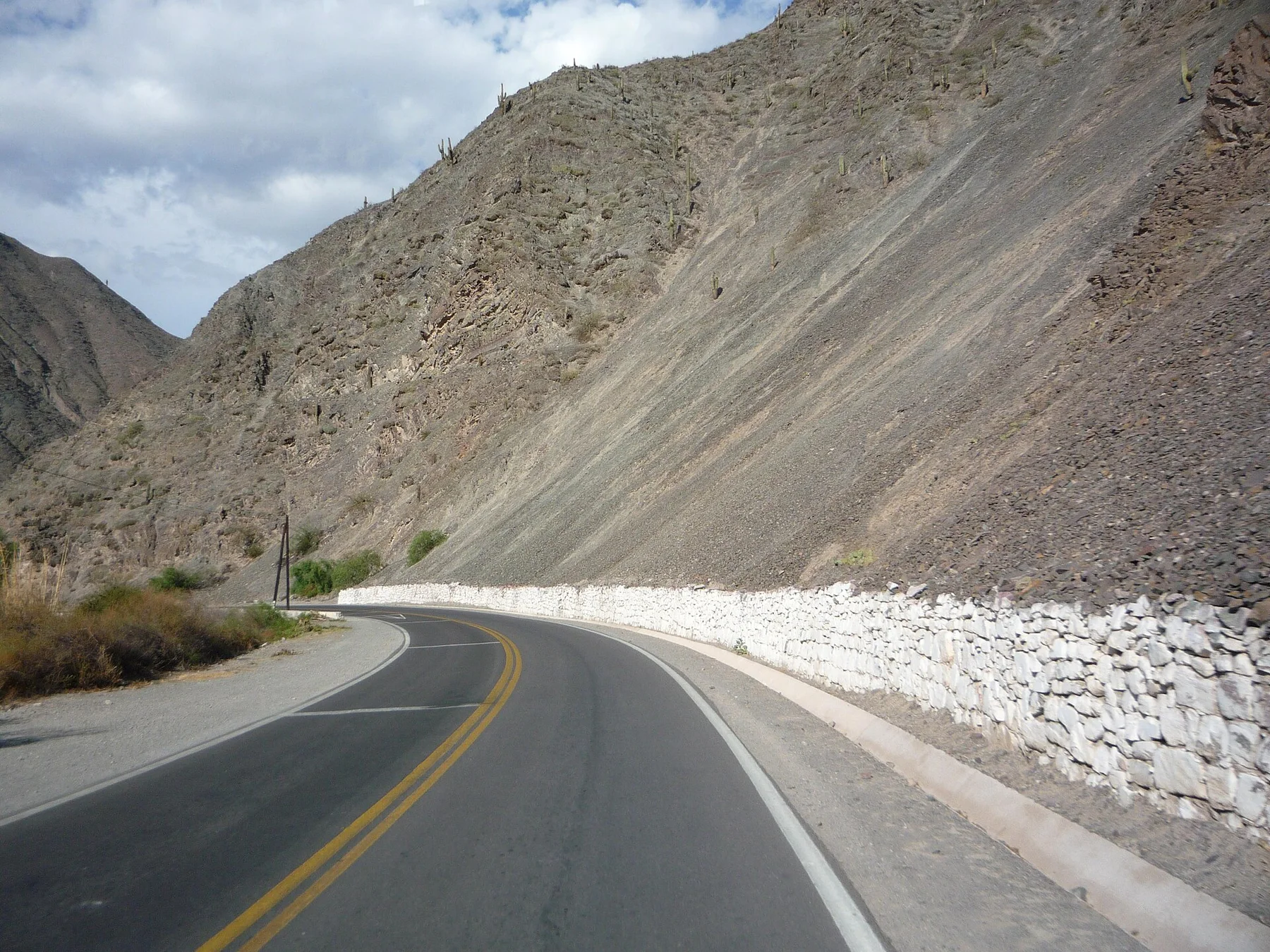
A high Andean valley of coloured strata, adobe towns and long-distance cultural routes connecting the puna with lower valleys.
Explore this place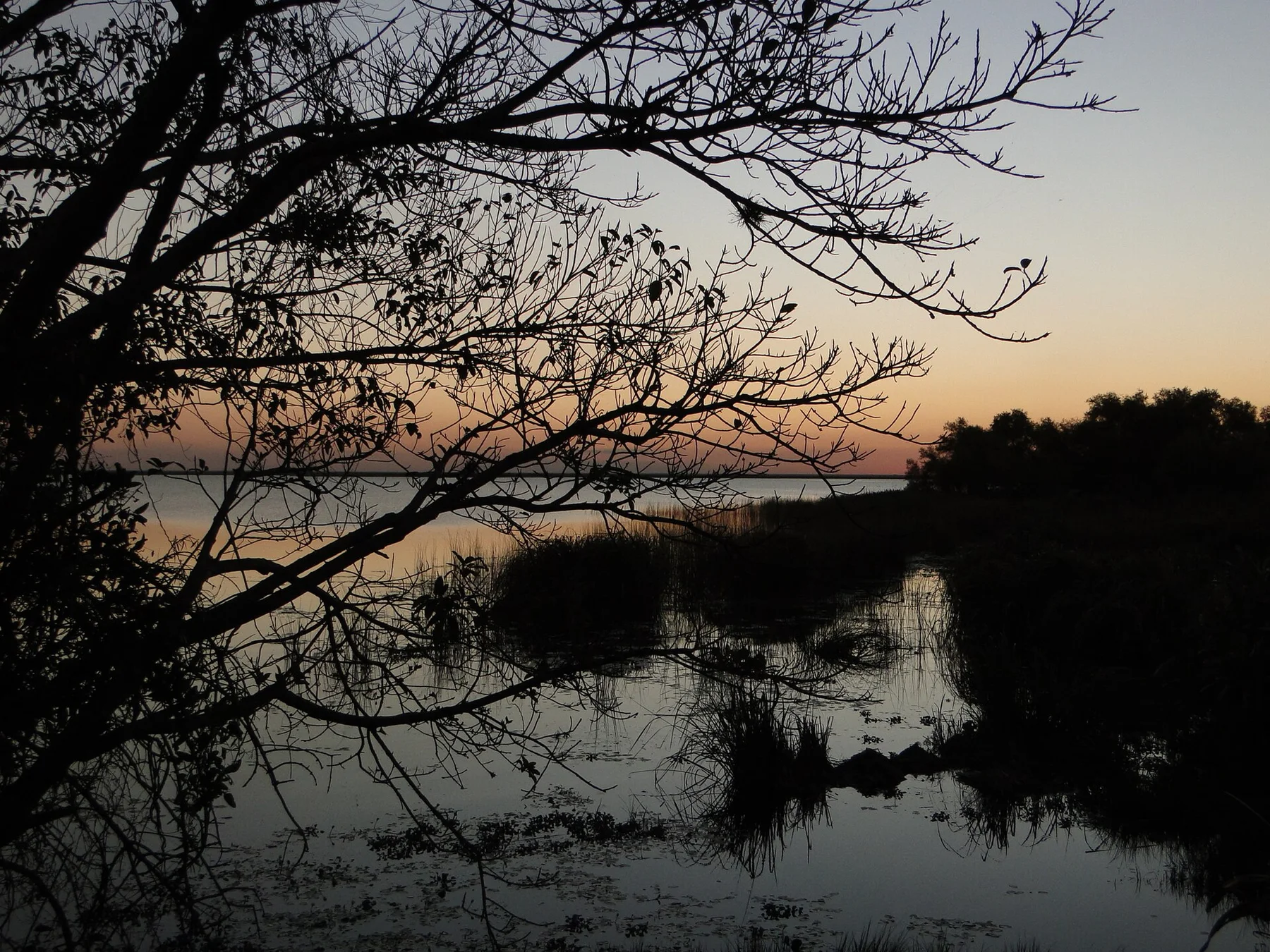
Lagoons, floating vegetation, grassland and wildlife form one of South America's largest freshwater wetland systems.
Explore this place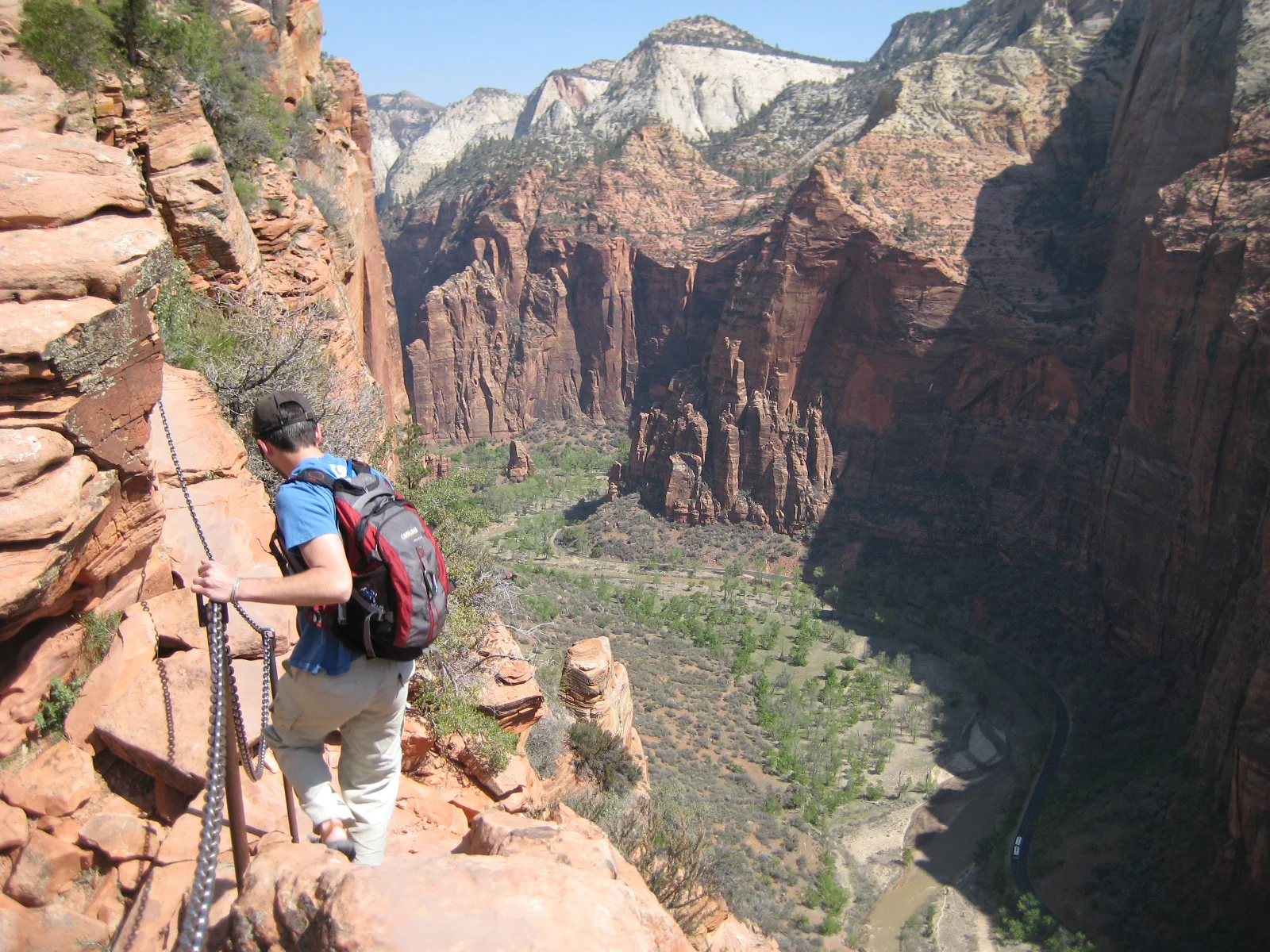
A steep trail climbs Walter’s Wiggles and an exposed chain-protected fin above Zion Canyon.
Explore this place