Arctic coast

Wrangel Island

An isolated Arctic island preserving tundra, mammoth-steppe vegetation and major polar-bear denning habitat.

Arctic coastWildlifeExpedition accessHerald and Wrangel coastsPolar-bear denning country

Location
Chukchi Sea, Russia
Best window
Jul-Aug
Suggested stay
4-7 days
Go for
Remote polar expedition
The reason to go

Cross tundra where polar-bear tracks and ancient mammoth landscapes overlap

Access is tightly controlled, but the island's singular value lies in seeing a functioning Arctic ecosystem with almost no modern settlement beyond scientific and ranger bases.

Build the trip around access permissions, sea or ice conditions and the short Jul-Aug operating window; leave at least one reserve day.

Look a little closer

Worth discovering

The details that make Wrangel Island different.

Destination view
01

Herald and Wrangel coasts

Sea ice, cliffs and tundra meet along an exposed Arctic shore.

Destination view
02

Polar-bear denning country

The island is globally important for denning females.

Destination view
03

Mammoth-steppe flora

Plant communities preserve elements of a much older northern landscape.

Photo journal

A closer look at Wrangel Island

8 photographs
Landscape and history

Wrangel Island beyond the first view

An isolated Arctic island preserving tundra, mammoth-steppe vegetation and major polar-bear denning habitat. The view is only the surface of a longer story of formation, use and change.

Wrangel Island is centred on Chukchi Sea, where an isolated Arctic island preserving tundra, mammoth-steppe vegetation and major polar-bear denning habitat. The strongest reason to make the journey is to cross tundra where polar-bear tracks and ancient mammoth landscapes overlap.

Visitors often encounter Wrangel Island through the idea of “Cross tundra where polar-bear tracks and ancient mammoth landscapes overlap”, but the destination is more than that single scene. Its landscape carries evidence of work, movement, adaptation and environmental change. Access is tightly controlled, but the island's singular value lies in seeing a functioning Arctic ecosystem with almost no modern settlement beyond scientific and ranger bases.

Continue to practical planning
Туристический корабльSee the complete photo journal
Natural history

Why the terrain has this form

Understanding Wrangel Island starts below the visible surface. Sea ice, tundra, exposed coasts and rapidly changing weather control both the scenery and access. Distances that look short on a map can require specialised boats, aircraft or expedition support.

On an island, coast, altitude and exposure work together. At Wrangel Island, the feature described as “Herald and Wrangel coasts” shows how a short distance can separate sheltered ground from a very different ocean-facing environment. Sea ice, cliffs and tundra meet along an exposed Arctic shore.

Cultural landscape

Routes, livelihoods and belonging

Wrangel Island preserves evidence of the world's last known population of woolly mammoths, which survived here thousands of years after mainland populations disappeared. Chukchi hunters knew the island and surrounding ice long before competing foreign expeditions attempted to claim it.

The 1914 survivors of the Canadian Arctic Expedition reached Wrangel after the Karluk was crushed in ice. Later settlement schemes, Soviet sovereignty campaigns and a permanent village introduced people, dogs and reindeer to a fragile High Arctic ecosystem.

Reorganisation

What altered the old balance

The island became a nature reserve in 1976, and the last permanent civilian settlement was eventually abandoned. World Heritage status in 2004 reinforced its role as a polar-bear denning area and refuge for Arctic biodiversity rather than a strategic colony.

Field notes

What to read in the landscape

Start with the feature “Herald and Wrangel coasts”, because it condenses a much larger part of the story of Wrangel Island. Sea ice, cliffs and tundra meet along an exposed Arctic shore. At Wrangel Island, it gives a concrete reference point for reading change rather than merely collecting viewpoints.
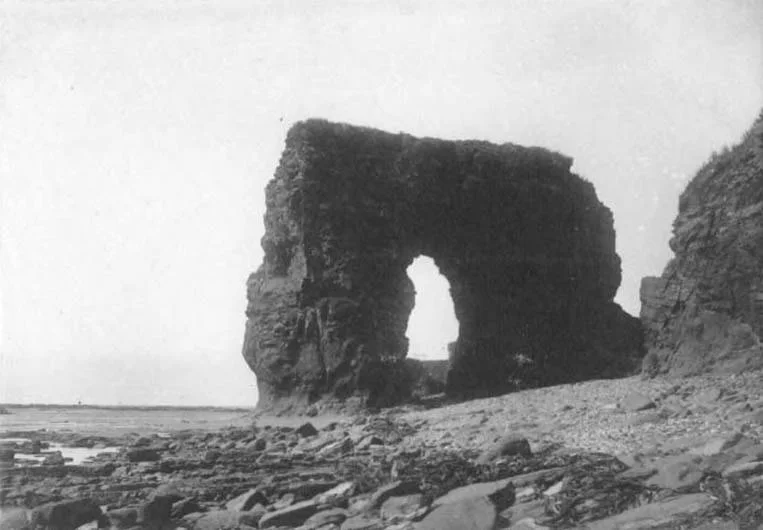
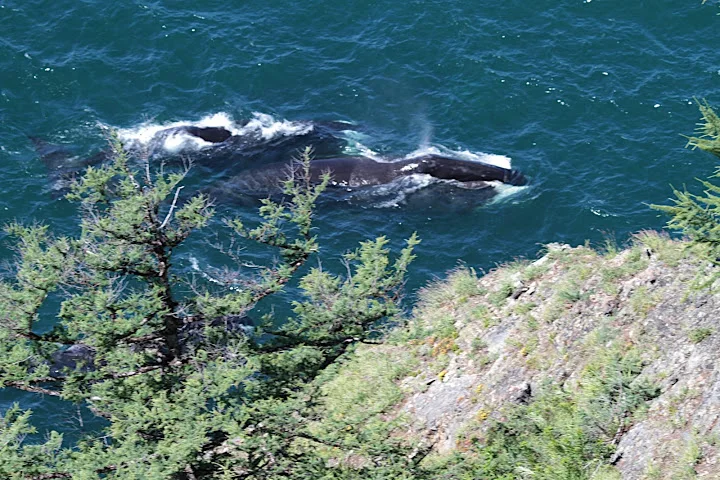
Start with the feature “Polar-bear denning country”, because it condenses a much larger part of the story of Wrangel Island. The island is globally important for denning females. At Wrangel Island, it gives a concrete reference point for reading change rather than merely collecting viewpoints.
At Wrangel Island, the feature “Mammoth-steppe flora” is best understood as part of the surrounding system rather than an isolated stop. Plant communities preserve elements of a much older northern landscape. At Wrangel Island, it gives a concrete reference point for reading change rather than merely collecting viewpoints.

Continuity

Why the landscape still feels dynamic

At Wrangel Island, season is part of the landscape history, not merely a planning detail. For Wrangel Island, the most reliable visiting window is Jul-Aug.

For Wrangel Island, the stated visiting window is Jul-Aug, but its practical meaning depends on local weather, water and transport rather than the calendar alone.

Placed within its wider geography, Wrangel Island is not an isolated exception. Beyond the best-known image of Wrangel Island feature, Wrangel Island matters because polar-bear denning country and mammoth-steppe flora place the destination inside a broader regional story.

Chronology

Key dates

  1. The last island mammoths

    A small mammoth population survived on Wrangel long after extinction elsewhere.

  2. Karluk survivors reach the island

    Shipwrecked expedition members endured a severe Arctic winter while awaiting rescue.

  3. Reserve and World Heritage protection

    Human settlement declined as conservation became the island's primary official function.

Travel notes

Plan your visit

Time needed
4-7 days
Getting around
Expedition vessel, charter aircraft or authorised local operator
Effort
Demanding / expedition access
Plan first
Permits, operator, weather margin and evacuation conditions
Time of day
Use every safe weather window
Best window
Jul-Aug
Traveller stories

Stories from people who have been here.

First-hand moments, practical notes and overlooked details from Wrangel Island.

Loading traveller stories…

Browse all traveller stories ↗

Keep exploring

Where next?

All place stories