Where two African biomes meet

Chinko

A remote conservation landscape where Congo Basin forest, wooded savanna and river systems meet across a sparsely settled part of Central Africa.

Remote wildernessForest-savanna mosaicWildlife

Location
Eastern Central African Republic, Central African Republic
Best window
Dec-Mar
Suggested stay
Specialist expedition
Go for
Frontier conservation landscape
The reason to go

A rare forest-savanna transition at enormous scale

Chinko protects an ecological meeting zone rather than a single habitat, allowing species associated with rainforest and open savanna to overlap across a vast roadless landscape.

Stay long enough to connect Chinko's headline landscape with one quieter local route rather than treating it as a single viewpoint.
Look a little closer

Worth discovering

The details that make Chinko different.

Destination view
01

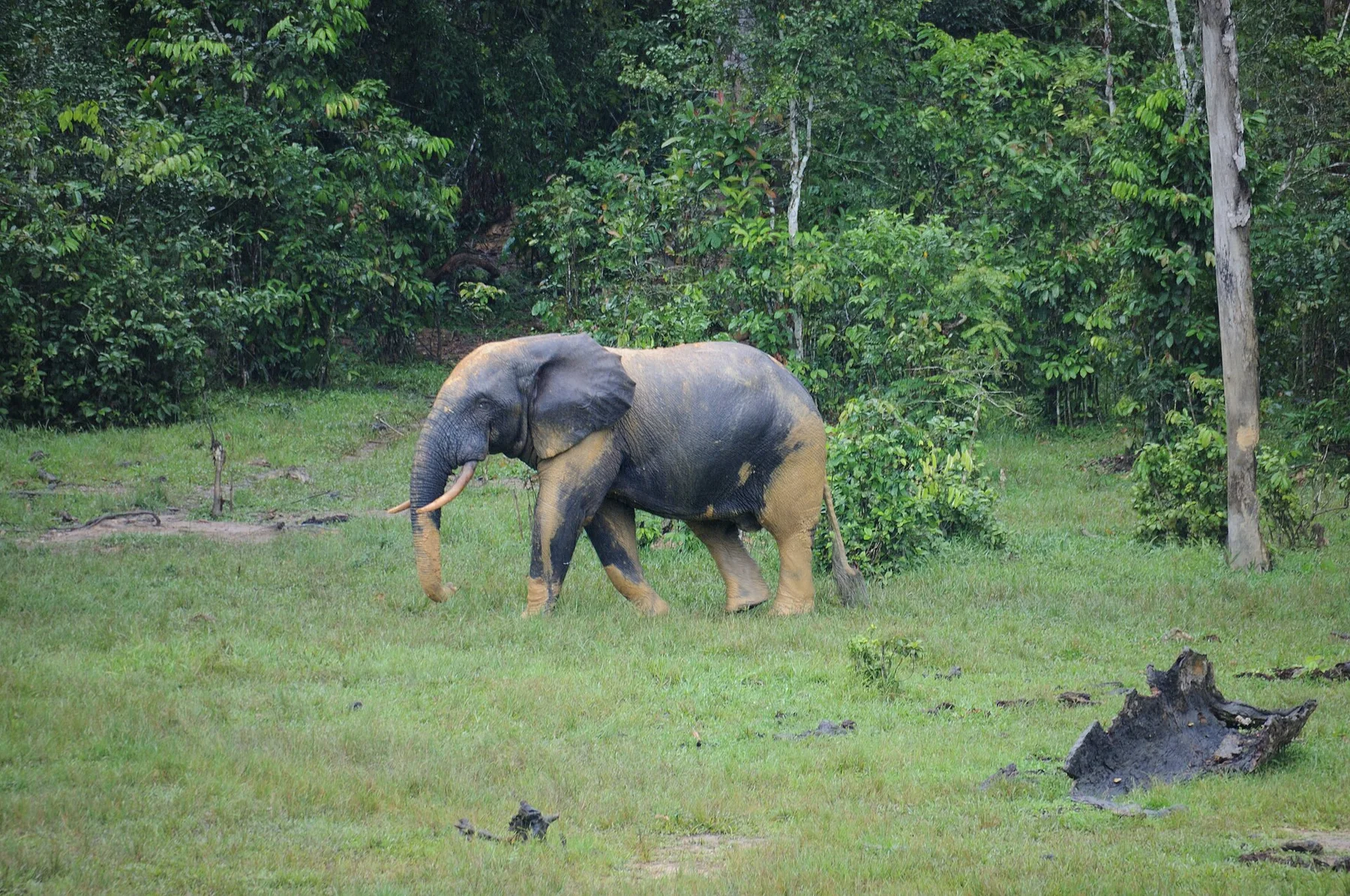
Two faunal worlds

Forest and savanna species occur within the same wider system because rainfall, soils and fire create a complex habitat mosaic.

Destination view
02

River-defined access

Major rivers and seasonal watercourses organise wildlife movement and make much of the landscape extremely difficult to reach.

Destination view
03

Conservation under pressure

Pastoral movement, armed activity and commercial hunting have made protection inseparable from regional security and livelihoods.

Photo journal

A closer look at Chinko

4 photographs
Beyond the surface

How time shaped Chinko

A remote conservation landscape where Congo Basin forest, wooded savanna and river systems meet across a sparsely settled part of Central Africa. Its character becomes clearer when geology, settlement and modern protection are considered together.

Chinko protects an ecological meeting zone rather than a single habitat, allowing species associated with rainforest and open savanna to overlap across a vast roadless landscape.

The familiar invitation at Chinko is “Frontier conservation landscape”, yet that image makes more sense when it is connected to the landform, the local economy and the changes that determined access. At Chinko, allow enough time to connect Chinko's headline landscape with one quieter local route instead of reducing Chinko to a single viewpoint.

Continue to practical planning
ISS011-E-5998 - View of the Central African RepublicSee the complete photo journal
Physical setting

From underlying structure to visible landscape

The first layer of Chinko is geological and ecological rather than scenic. Wooded savanna, gallery forest, dense forest patches and broad rivers create a transition zone between the Congo Basin and East African-influenced grasslands.

Dense vegetation hides long views, so detail becomes the guide. At Chinko, “Two faunal worlds” offers a way to read water, soil and disturbance inside the forest system. Forest and savanna species occur within the same wider system because rainfall, soils and fire create a complex habitat mosaic.

Settlement and memory

How people learned to live here

Chinko lies in a transition between Congo forest and East African-style savanna used by farming communities, hunters and mobile pastoralists. Colonial boundaries and weak postcolonial administration left the eastern Central African Republic connected more strongly to cross-border movement than to distant national institutions.

During recent conflicts, armed groups, commercial poachers and large cattle movements entered the basin, sharply reducing elephants and other wildlife. Conservation organisations began long-term management in the 2010s, combining patrols with attempts to negotiate seasonal movement and support nearby communities.

Reorganisation

From local landscape to protected destination

The protected area is now also a security project in a region where state authority is limited. Its ecological recovery depends on preventing militarised hunting without converting traditional mobility or pastoral livelihoods into a single undifferentiated threat.

Details to read

The evidence still visible on the ground

At Chinko, the significance of the feature “Two faunal worlds” goes beyond its visual impact. Forest and savanna species occur within the same wider system because rainfall, soils and fire create a complex habitat mosaic. At Chinko, it gives a concrete reference point for reading change rather than merely collecting viewpoints.

Look closely at the feature “River-defined access” in Chinko; it carries information that a panoramic view can miss. Major rivers and seasonal watercourses organise wildlife movement and make much of the landscape extremely difficult to reach. For Chinko, that relationship is more informative than treating the feature only as a photograph or checklist item.

At Chinko, the significance of the feature “Conservation under pressure” goes beyond its visual impact. Pastoral movement, armed activity and commercial hunting have made protection inseparable from regional security and livelihoods. At Chinko, it gives a concrete reference point for reading change rather than merely collecting viewpoints.

Continuity

A living landscape, not a frozen scene

A single visit to Chinko captures only one phase of its annual cycle. The dry season improves air access and tracks, while rains isolate large areas. Security and operator capacity determine feasibility at all times.

For Chinko, the most useful time of day is: dawn field activity.

For Chinko, plan this first: operator, security and permissions.

Placed within its wider geography, Chinko is not an isolated exception. For Chinko, the wider context shows that, the eastern Central African Republic connects ecologically toward South Sudan and the Congo Basin, though travel beyond managed conservation zones is highly constrained.

Chronology

Key dates

  1. Forest-savanna frontier

    Local communities and mobile groups used rivers, hunting grounds and seasonal pasture across a broad borderland.

  2. Conflict and commercial poaching

    Armed instability drove severe wildlife decline and disrupted settlements.

  3. Long-term conservation management

    New patrol, research and community systems were established across the Chinko basin.

In context

Get to know the place

The landscape

Wooded savanna, gallery forest, dense forest patches and broad rivers create a transition zone between the Congo Basin and East African-influenced grasslands.

People and place

The region is lightly settled but used by mobile pastoralists and communities across a wide frontier; any visit depends on specialist conservation logistics.

Seasonal character

The dry season improves air access and tracks, while rains isolate large areas. Security and operator capacity determine feasibility at all times.

Beyond the main view

The eastern Central African Republic connects ecologically toward South Sudan and the Congo Basin, though travel beyond managed conservation zones is highly constrained.

Travel notes

Plan your visit

Time needed
Specialist expedition
Getting around
Charter flight and conservation vehicles
Effort
Challenging
Plan first
Operator, security and permissions
Time of day
Dawn field activity
Best window
Dec-Mar
Keep exploring

Where next?

All place stories