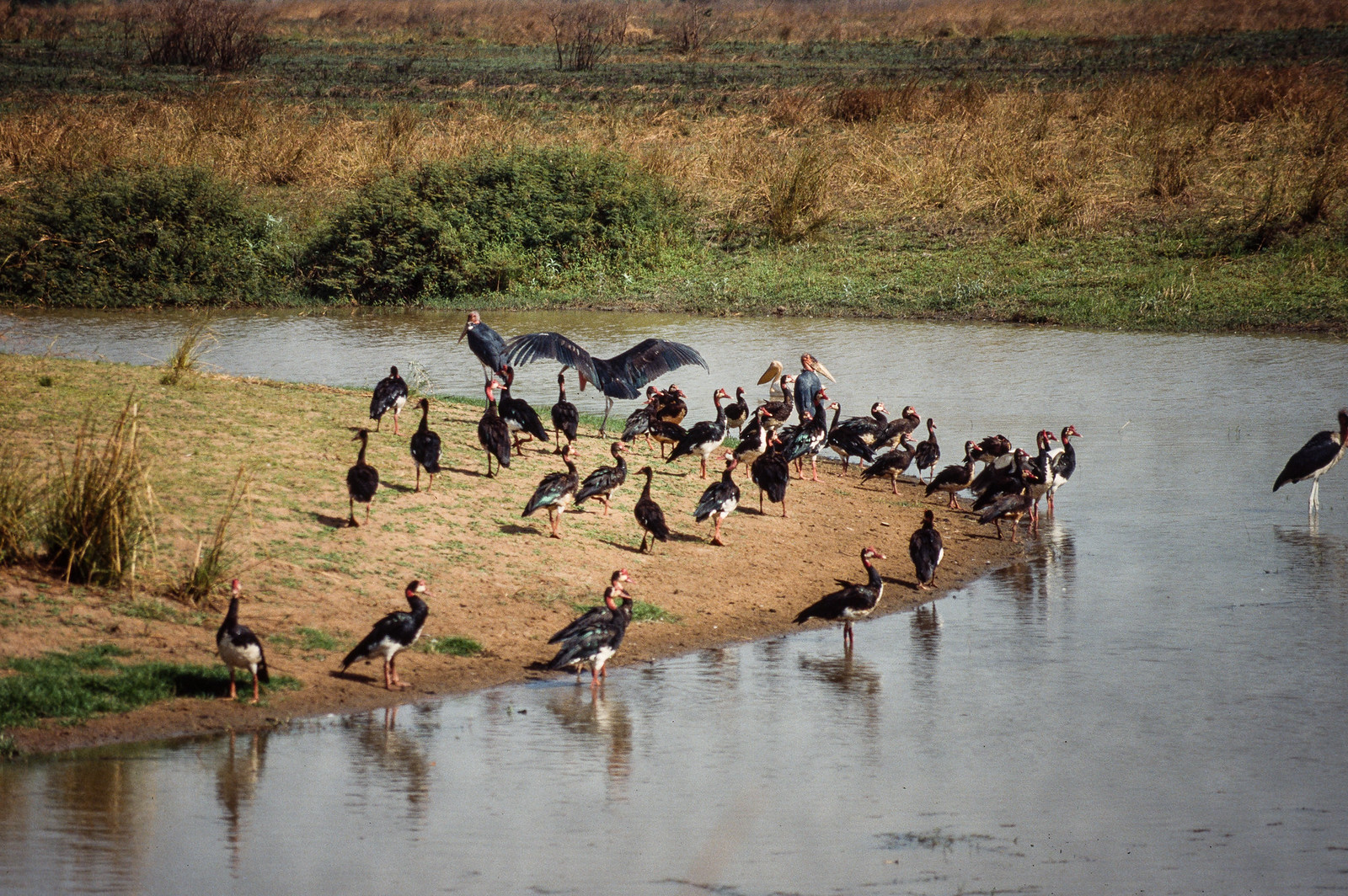
Rainforest

Dzanga-Sangha

Dense Congo Basin forest opens suddenly into mineral-rich clearings visited by forest elephants and other wildlife.

RainforestWildlifeRiver travelDzanga BaiBaAka forest walks

Location
Southwestern rainforest, Central African Republic
Best window
Dec-Feb, Jun-Aug
Suggested stay
3-5 days
Go for
Rainforest expedition
The reason to go

Wait quietly at Dzanga Bai as forest elephants enter the clearing

The bai turns an otherwise closed rainforest into a natural theatre, allowing long observation of animals that are rarely visible among the trees.

Use an experienced local guide and begin early, when wildlife activity, water levels and cooler conditions are most favourable.

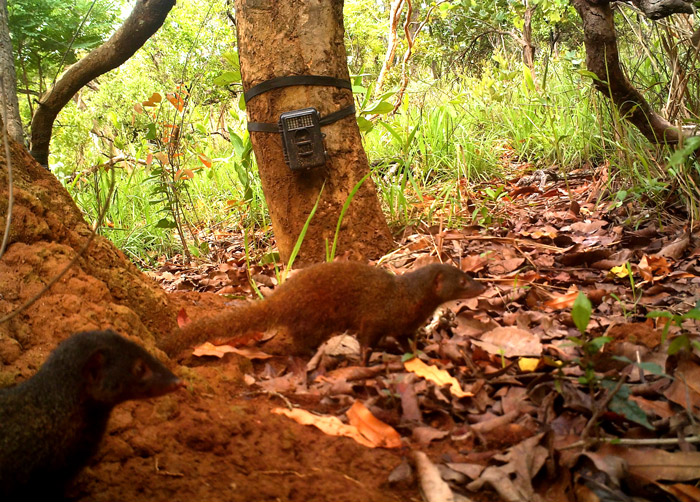
Look a little closer

Worth discovering

The details that make Dzanga-Sangha different.

Photo journal
01

Dzanga Bai

A mineral clearing attracts large groups of forest elephants.

Photo journal
02

BaAka forest walks

Local knowledge reveals tracks, plants and forest sounds.

Photo journal
03

Sangha River

Boat travel connects the wider transboundary forest landscape.

Photo journal

A closer look at Dzanga-Sangha

9 photographs
The full story

Dzanga-Sangha: the story behind the landscape

Dense Congo Basin forest opens suddenly into mineral-rich clearings visited by forest elephants and other wildlife. Its character becomes clearer when geology, settlement and modern protection are considered together.

Dzanga-Sangha is centred on Southwestern rainforest, where dense Congo Basin forest opens suddenly into mineral-rich clearings visited by forest elephants and other wildlife. The strongest reason to make the journey is to wait quietly at dzanga bai as forest elephants enter the clearing.

Many visits to Dzanga-Sangha begin with the experience described as “Wait quietly at Dzanga Bai as forest elephants enter the clearing”. The more revealing question is why it exists here, how people used the surrounding ground and what remains visible from earlier phases. The bai turns an otherwise closed rainforest into a natural theatre, allowing long observation of animals that are rarely visible among the trees.

Continue to practical planning
Morning mist over the Sangha River near BayangaSee the complete photo journal
Natural history

How the landscape was assembled

At Dzanga-Sangha, the physical story begins with the structure of the ground. Dense canopy limits long views, making rivers, clearings, ridges and waterfalls the key points of orientation. Humidity, rain and trail conditions shape the pace more than the distance alone.

The canopy at Dzanga-Sangha is not uniform. Around “Dzanga Bai”, changes in moisture, elevation or past use reveal its internal structure. A mineral clearing attracts large groups of forest elephants.

Human history

The human landscape behind the scenery

The forests around the Sangha River are home to BaAka and Sangha-Sangha communities whose hunting, gathering, fishing and plant knowledge predate colonial borders. Commercial ivory and rubber extraction, followed by logging, drew the region into wider markets and disrupted those systems.

Dzanga-Sangha was established in 1990 as a protected-area complex rather than a single fenced park. Research at Dzanga Bai showed how mineral clearings concentrate forest elephants and made long-term observation possible in a habitat where animals are usually hidden by canopy.

Modern history

The modern turning point

In 2012, Dzanga-Sangha joined protected areas in Cameroon and the Republic of the Congo within the Sangha Trinational World Heritage site. Political instability and poaching have repeatedly threatened wildlife and staff, showing how conservation depends on regional security and local rights.

On the ground

Where the story becomes visible

At Dzanga-Sangha, the feature “Dzanga Bai” is one of the most useful pieces of visible evidence. A mineral clearing attracts large groups of forest elephants. For Dzanga-Sangha, that relationship is more informative than treating the feature only as a photograph or checklist item.

Start with the feature “BaAka forest walks”, because it condenses a much larger part of the story of Dzanga-Sangha. Local knowledge reveals tracks, plants and forest sounds. Within Dzanga-Sangha, it is both an attraction and a record of the processes described above.

Look closely at the feature “Sangha River” in Dzanga-Sangha; it carries information that a panoramic view can miss. Boat travel connects the wider transboundary forest landscape. At Dzanga-Sangha, it gives a concrete reference point for reading change rather than merely collecting viewpoints.

Continuity

The current chapter

At Dzanga-Sangha, light, water and temperature reveal different structures at different times of year. For Dzanga-Sangha, the most reliable visiting window is Dec-Feb, Jun-Aug.

For Dzanga-Sangha, the stated visiting window is Dec-Feb, Jun-Aug, but its practical meaning depends on local weather, water and transport rather than the calendar alone.

Placed within its wider geography, Dzanga-Sangha is not an isolated exception. Beyond the best-known image of Dzanga-Sangha feature, Dzanga-Sangha matters because baaka forest walks and sangha river place the destination inside a broader regional story.

Chronology

Key dates

  1. BaAka and Sangha forest knowledge

    Communities organised life around rivers, seasonal foods, hunting territories and exchange.

  2. Dzanga-Sangha protected complex created

    National park and special reserve zones introduced a new conservation and tourism framework.

  3. Sangha Trinational World Heritage

    Three countries' protected forests were recognised as one connected ecosystem.

Travel notes

Plan your visit

Time needed
3-5 days
Getting around
Local guide, river transport and forest walking
Effort
Moderate to demanding
Plan first
Guide, permits, health preparation and transfers
Time of day
Early morning and late afternoon
Best window
Dec-Feb, Jun-Aug
Traveller stories

Stories from people who have been here.

First-hand moments, practical notes and overlooked details from Dzanga-Sangha.

Loading traveller stories…

Browse all traveller stories ↗

Keep exploring

Where next?

All place stories